Can Your Diet Affect Your Whitening Results? What to Eat and Avoid Before and After Treatment
A bright, whitened smile is a fantastic boost to anyone’s confidence, especially before significant events or after cosmetic dental work. While professional whitening delivers impressive results, the longevity of that brilliance largely depends on your dietary choices. What you eat and drink, both before and after your whitening treatment, profoundly impact its effectiveness and how long your radiant smile lasts.
Consuming the wrong foods can quickly lead to new stains, while others can help preserve or even enhance your newly whitened teeth. Understanding which foods support a bright smile and which can sabotage it is key to protecting your investment and enjoying a confident, radiant look for longer.
How Teeth Respond After Whitening
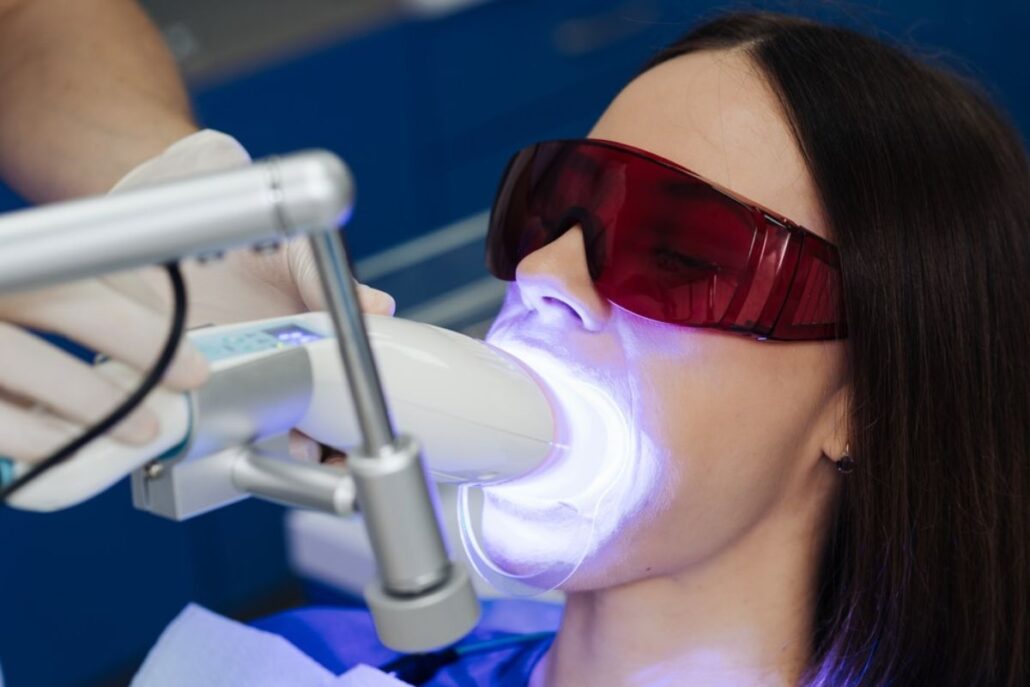
Immediately after a professional teeth whitening session, your enamel becomes temporarily more porous, making your teeth more susceptible to staining. The first 24 to 48 hours post-treatment are particularly crucial, as deeply pigmented foods and drinks can quickly diminish your results.
Dentists frequently recommend a “white diet“ during this critical period to minimize the risk of discoloration. This doesn’t mean a lifetime of bland food, but careful adherence during this sensitive phase will help effectively lock in your whitening results.
Best Foods to Eat After Whitening
Maintaining your whitened smile extends beyond regular brushing and flossing. The right foods can actively support your whitening results. Focus on items that are low in acid, light in color, and rich in calcium or fiber. These choices stimulate saliva production, which helps neutralize harmful acids and protect your enamel.
To maximize your teeth whitening results, dental professionals advise sticking to lighter-colored foods during the immediate post-treatment window. Excellent options include:
- Lean proteins: Chicken, white fish
- Light-colored vegetables: Cauliflower, potatoes (peeled)
- Fruits: Bananas, peeled apples
- Dairy: Yogurt, milk, white cheese
- Grains: Rice, white bread (without crusts or dark grains)
- Eggs: Scrambled eggs, egg whites
These choices not only help keep your teeth clean but also prevent sensitivity or re-staining.
Hydration is also vital. Drinking plenty of water helps rinse your mouth after meals and flush away pigments that could otherwise linger. Using a straw when enjoying cold beverages can also limit direct contact with your teeth, further preserving the brightness of your smile.
Foods and Drinks to Avoid Before and After Treatment
Certain items are notorious for causing stains, especially in the hours and days following a whitening procedure. You should minimize or completely avoid dark-colored beverages like:
- Coffee
- Tea
- Red wine
- Cola
- Sports drinks
These drinks contain tannins and pigments that readily attach to your enamel.
Acidic foods such as citrus fruits, tomatoes, and vinegar-based dressings can erode enamel, making it easier for stains to penetrate. Similarly, highly pigmented foods like berries, soy sauce, balsamic vinegar, and dark chocolate can dull your smile if consumed too soon after treatment.
Before your whitening appointment, it’s also highly advisable to cut back on smoking or using tobacco products. These are among the most aggressive causes of long-term tooth discoloration and can also severely impact your overall oral health.
Creating Long-Term Whitening Success Through Smarter Eating
Once the critical 48-hour period has passed, you can gradually reintroduce more foods into your diet, but moderation is key. Brushing after meals, rinsing your mouth after consuming dark beverages, and using whitening toothpaste as recommended by your dentist can all help maintain your results.
Professional whitening isn’t a permanent solution; it works best when supported by good habits, including mindful eating. Scheduling routine dental cleanings and occasional whitening touch-ups will also help you enjoy a consistently brighter smile throughout the year.
At University Family Dental, the team emphasizes not only the whitening procedures themselves but also comprehensive post-treatment care that helps patients achieve lasting value from their beautiful smiles. They provide personalized dietary advice tailored to each patient’s lifestyle and goals, ensuring a treatment plan that extends far beyond the dental chair.
Conclusion
A brighter smile begins at your dentist’s office, but its longevity is preserved at your dinner table. Understanding how your diet influences whitening results is one of the simplest and most effective ways to extend the impact of your treatment. By making tooth-friendly food choices and avoiding common stain culprits, you can keep your smile vibrant long after your whitening session is complete.