
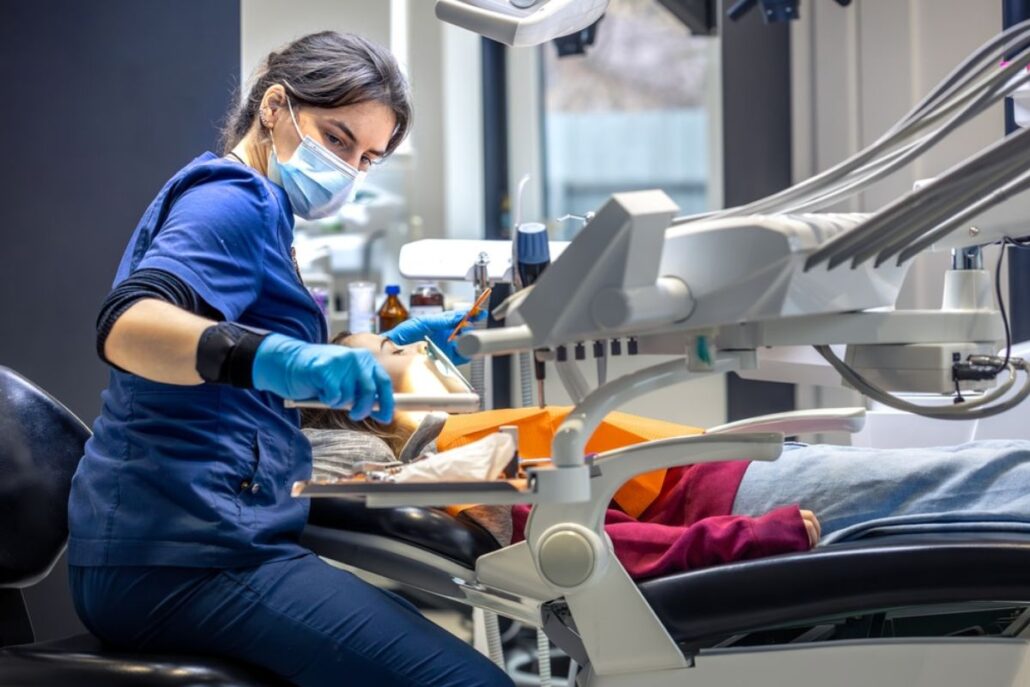
Delaying Dental Care in Las Cruces? Here are the Consequences You Might Face
Many serious dental problems begin with symptoms that seem easy to ignore. A little tooth sensitivity, occasional gum bleeding, or a minor chip may not interfere with your day immediately, but these early warning signs often indicate damage that continues progressing beneath the surface.
Dental conditions rarely improve without treatment. Small areas of decay can spread deeper into the tooth, gum inflammation can advance into periodontal disease, and untreated cracks can weaken surrounding tooth structure over time. The longer these problems remain untreated, the more likely they are to require complex restorative care later.
According to the Centers for Disease Control and Prevention (CDC), nearly 1 in 4 adults in the United States has untreated tooth decay. Untreated oral health conditions can affect nutrition, speech, sleep quality, and overall wellness when they progress beyond the early stages.
In Las Cruces’ dry climate conditions, acidic beverages, dehydration, tobacco use, and delayed preventive care can increase the risk of dental problems worsening faster than patients expect. At University Family Dental, Drs. Kimberly Martin, Patricia Martin, and Samantha Lee help patients identify and treat dental concerns before they become more advanced. If you notice changes in your oral health, visit our dental office for a thorough evaluation before a small issue develops into a larger problem.
Why Do Small Dental Problems Become Worse Over Time?
Most dental problems are progressive. Once enamel weakens, bacteria can enter the deeper layers of the tooth and continue to spread unless treatment stops the damage.
The early stages of many dental conditions are often painless. That is one reason patients frequently delay care. By the time discomfort becomes noticeable, the problem may already involve deeper tooth structure, nerve tissue, or supporting bone.
Common Dental Issues Patients Often Ignore
- Mild tooth sensitivity
- Small cavities
- Bleeding gums
- Chipped teeth
- Loose fillings
- Food trapping between teeth
- Persistent bad breath
- Mild jaw discomfort
- Gum tenderness
- Small cracks in teeth
These symptoms may appear minor initially, but they often indicate underlying oral health problems that continue to progress every day.
What Happens When a Small Cavity Is Left Untreated?
A cavity does not remain confined to one area of the tooth. Tooth decay gradually moves deeper through the enamel and dentin until bacteria eventually reach the pulp inside the tooth.
Once infection reaches the inner pulp, treatment becomes significantly more involved. What may have required a small filling earlier could eventually require root canal therapy or tooth replacement if enough of the structure is compromised.
Why Bleeding Gums Should Never Be Ignored
Healthy gums generally do not bleed during brushing or flossing. Gum bleeding usually signals inflammation caused by plaque and bacterial buildup near the gumline.
When gum inflammation remains untreated, bacteria can spread beneath the gums and begin damaging connective tissue and supporting bone. Early gum disease may be reversible, but advanced periodontal disease can permanently affect oral stability.
Signs Gum Disease May Be Progressing
- Frequent gum bleeding
- Gum swelling
- Persistent bad breath
- Receding gums
- Tender gum tissue
- Loose teeth
- Pain while chewing
Many people searching for a dentist in Las Cruces wait until gum discomfort becomes severe before scheduling an appointment. Early intervention often helps preserve healthier gum and bone tissue.
Can a Small Tooth Crack Become a Bigger Problem?
Yes. Even a tiny crack weakens the tooth and increases the risk of structural failure during normal chewing.
Small cracks may gradually deepen over time as repeated pressure affects the tooth. Some fractures eventually extend below the gumline, making the tooth more difficult to restore conservatively.
Why Cracked Teeth Often Go Undiagnosed
Cracks are not always visible without a professional examination. Symptoms may also appear inconsistently, causing patients to dismiss the problem.
Common warning signs include:
- Sharp pain while chewing
- Sensitivity to cold foods or drinks
- Intermittent discomfort
- Rough tooth edges
- Pain that comes and goes unpredictably
Early diagnosis often improves the chances of preserving the natural tooth structure.
How Delaying Dental Treatment Can Affect Overall Health
Oral health affects more than just the teeth and gums. Chronic inflammation and untreated infections inside the mouth may contribute to broader health concerns throughout the body.
Researchers continue to study the relationship between oral bacteria and conditions affecting cardiovascular health, diabetes management, respiratory infections, and immune system responses. Preventive dental care helps reduce bacterial buildup and supports long-term wellness.
Why Preventive Dentistry Matters
Routine dental care helps:
- Detect problems earlier
- Reduce bacterial spread
- Preserve healthy tooth structure
- Lower the risk of dental infections
- Improve long-term oral stability
- Support overall health and comfort
Preventive visits also allow dentists to identify concerns patients may not notice at home.
Why Dental Problems Often Become Emergencies Suddenly
Dental infections frequently worsen gradually before becoming painful very quickly. A tooth that felt mildly sensitive for months may suddenly develop severe pain once bacteria reach the nerve tissue.
This rapid shift often surprises patients because the underlying damage has been developing silently long before symptoms intensify.
Symptoms That Require Prompt Dental Attention
- Facial swelling
- Severe tooth pain
- Swollen gums
- Pus near the gums
- Broken restorations
- Difficulty chewing
- Pain that disrupts sleep
- Sudden temperature sensitivity
Patients who seek treatment earlier often avoid more extensive emergency procedures later.
Why Early Treatment Usually Preserves More Natural Tooth Structure
The earlier a dental problem is diagnosed, the more conservative the treatment can often be. Smaller restorations help preserve healthy enamel and reduce structural stress on the tooth over the long term.
Once significant damage develops, larger restorations may become necessary to maintain strength, function, and stability.
Benefits of Addressing Dental Problems Early
- Less structural damage
- Better long-term tooth preservation
- Lower risk of infection spread
- More comfortable treatment experience
- Easier recovery
- Reduced the likelihood of future complications
Early treatment also helps patients maintain more predictable oral health outcomes over time.
How Las Cruces Lifestyle and Climate Factors Can Affect Oral Health
Environmental conditions in southern New Mexico can influence oral health more than many people realize.
Las Cruces experiences dry climate conditions that may contribute to dry mouth, which reduces saliva’s ability to help protect teeth against harmful bacteria. Frequent consumption of acidic beverages, sports drinks, coffee, and sweetened iced drinks may also increase the risk of enamel erosion and cavities over time.
Busy schedules and delayed preventive visits further increase the likelihood of small dental issues progressing unnoticed.
That is why consistent preventive care remains important even when symptoms appear mild.
Protect Your Oral Health Before Small Problems Become More Serious
Minor dental symptoms should never be ignored simply because they seem manageable. Early dental problems often become more difficult to treat when bacteria, inflammation, or structural damage continue progressing beneath the surface.
At University Family Dental, we focus on preventive care, early diagnosis, and personalized treatment planning to help patients protect their long-term oral health. If you notice sensitivity, bleeding gums, chewing discomfort, or changes in a restoration, visit our dental office for a comprehensive evaluation. Book an Appointment today to understand your specific dental needs before a minor issue develops into a larger treatment concern.
Frequently Asked Questions
Can a small cavity become serious without causing pain?
Yes. Tooth decay often progresses silently before reaching deeper layers of the tooth. Pain usually develops after bacteria approach the nerve tissue.
How quickly can gum disease worsen?
Gum disease progression varies depending on oral hygiene, smoking, health conditions, and bacterial buildup. Early treatment significantly improves the chances of preventing long-term tissue damage.
Why do cracked teeth sometimes hurt inconsistently?
Cracked teeth may shift slightly during chewing pressure. That movement can irritate the inner tooth structure intermittently, causing symptoms to appear unpredictably.
Is tooth sensitivity always a sign of a cavity?
Not always. Sensitivity may result from enamel wear, gum recession, cracks, grinding, or early decay. A professional evaluation helps determine the exact cause.
Can delaying dental care increase the risk of tooth loss?
Yes. Untreated decay, gum disease, and structural fractures can progressively weaken teeth and supporting bone over time, increasing the likelihood of tooth loss.
Why do dental infections become painful suddenly?
Bacteria may gradually spread inside the tooth for months before reaching the nerve tissue. Once pressure and inflammation increase, symptoms can intensify rapidly.
How often should adults schedule preventive dental visits?
Most adults benefit from routine dental evaluations and cleanings every six months. Patients with gum disease or higher cavity risk may require more frequent visits.


