Fixing It vs. Perfecting It: What Your Smile Actually Needs
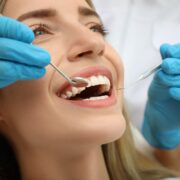
Somewhere between “my tooth hurts when I chew” and “I wish my smile looked a little brighter for my daughter’s wedding photos,” there’s a whole world of dental care most people never think about until they need it. And here’s the thing — those two problems aren’t solved the same way, even though they both involve a dentist’s chair and, eventually, a mirror you’re happy to smile into.
If you’ve ever wondered why your neighbor got a crown while your coworker got veneers, or why one visit is covered by insurance and another isn’t, the answer usually comes down to one distinction: is the work fixing something, or is it perfecting something that already works fine?
For anyone weighing a cosmetic dentist in Las Cruces against a more function-first approach, understanding this split can save you time, money, and a fair amount of confusion at your first consultation.
What Restorative Work Is Actually Solving
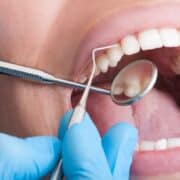
Restorative dentistry exists to answer one question: is your mouth working the way it’s supposed to? That covers a surprising amount of ground.
- Cavities — decay gets removed and the tooth is rebuilt with a filling, inlay, or onlay before it spreads further.
- Cracked or broken teeth — depending on severity, this might mean bonding, a filling, or a full crown to protect what’s left of the natural tooth.
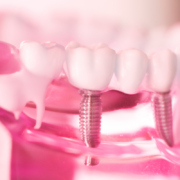
- Missing teeth — bridges, implants, and dentures step in to restore chewing ability and prevent nearby teeth from shifting out of place.
- Gum disease — deep cleaning procedures like scaling and root planing clear out infection before it reaches the bone.
- Root canals — when the inner pulp of a tooth is infected, this procedure saves the tooth rather than pulling it.
None of this is about vanity. It’s about being able to eat a meal comfortably, speak without a lisp from a missing tooth, or sleep without a dull ache in your jaw. Restorative dentistry Las Cruces patients seek out most often tends to fall into exactly these categories the stuff that genuinely can’t wait.
What Cosmetic Work Is Actually Solving
Cosmetic dentistry starts from a different place. Your mouth might work perfectly well you can chew, you’re not in pain but something about how it looks bothers you enough to want a change.
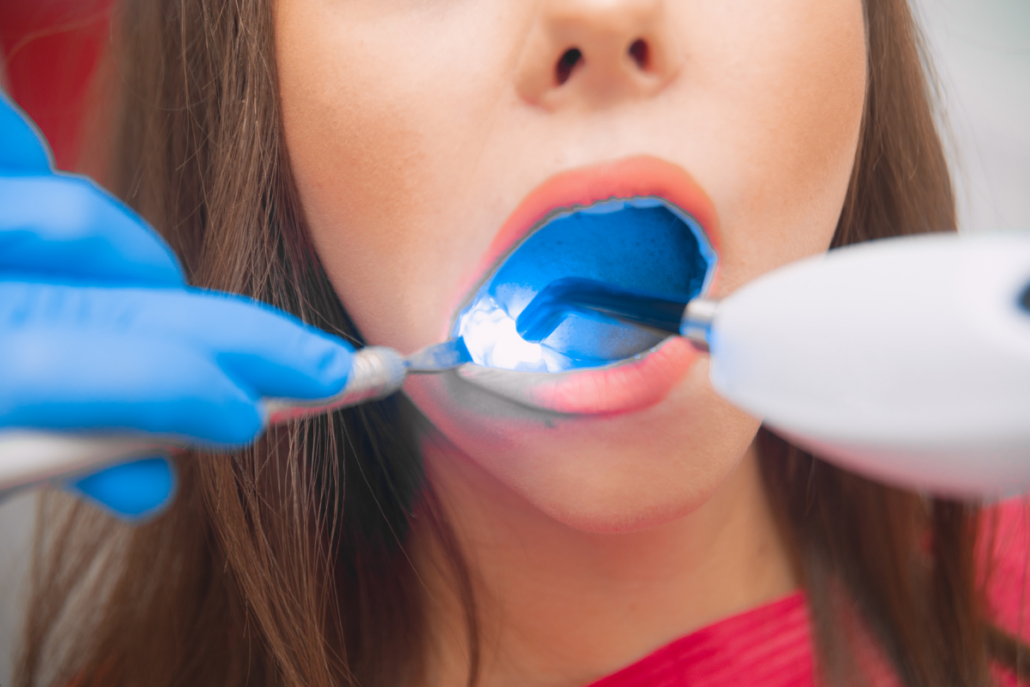
- Teeth whitening — professional treatments lift stains that coffee, red chile (a Las Cruces staple, let’s be honest), and years of daily wear leave behind.
- Veneers — thin porcelain or composite shells that cover chips, gaps, or discoloration for a more uniform look.
- Bonding — a quicker, less invasive fix for small chips or gaps, using tooth-colored resin.
- Gum contouring — reshapes an uneven gum line so teeth appear more proportional.
- Implants — worth mentioning here too, since a missing tooth replaced with an implant checks both boxes: it restores function and looks completely natural.
So Which One Do You Actually Need?
Most people don’t need to diagnose themselves that’s what a consultation is for but a rough gut check helps before you book:
Lean restorative if:
- Something hurts, aches, or feels sensitive to hot or cold
- Chewing on one side has become a habit because the other side bothers you
- You can see a visible cavity, crack, or chipped edge that catches your tongue
- A dentist has mentioned gum disease or bone loss in a past visit
Lean cosmetic if:
- Your teeth work fine, but coffee and years of enjoying local green chile stew have left them duller than you’d like
- You’re self-conscious about a gap or slight overlap that doesn’t cause pain
- You want a more even gum line or a brighter smile before a big event
- You’re generally happy but want that “finished” look
Why the Two Often Overlap Anyway
Here’s where it gets a little less black-and-white: a lot of real dental work blends both categories. A cracked front tooth might need a crown for function, shaped and shaded to match the rest of your smile so nobody can tell which tooth was repaired. A filling might be paired with bonding so the tooth looks seamless rather than just structurally sound.
This is really the whole point of working with one practice long-term instead of hopping between specialists. A dentist who’s treated you for a few years already knows your bite, your bone structure, and what “matching” actually looks like for your specific smile.
A Few Las Cruces-Specific Things Worth Knowing
Living in the Mesilla Valley comes with a few dental realities that are worth factoring in. Hard water in parts of the area can mean more mineral buildup on teeth over time, which is one more reason routine cleanings matter here more than people expect. And if your diet leans into the local food scene chile, citrus, plenty of iced tea in the summer heat — enamel wear and staining tend to show up a little faster than in milder climates. None of this is a problem, just something a dentist familiar with the region will already be watching for.
Ready to Figure Out What Your Smile Needs?
Whether you’re dealing with a nagging ache or you just want your smile to look as good as it feels, the first step is the same: a real conversation with someone who can look at your specific situation instead of guessing from a checklist. Request an appointment here and let’s figure out together whether restorative care, cosmetic work, or a mix of both gets you where you want to be.
Frequently Asked Questions
Does insurance cover cosmetic dentistry? Usually not, since it’s considered elective. Restorative work like fillings, crowns for damaged teeth, and root canals is far more likely to be covered, at least partially. Implants sometimes fall into a gray area depending on your plan.
Can I get cosmetic work done at the same visit as restorative treatment? Often, yes. If you’re already getting a crown or filling, it’s common to shape or shade it so it blends naturally with the rest of your smile, which is technically a small cosmetic step built into restorative care.
How do I know if my tooth pain needs a root canal or just a filling? That really depends on how deep the decay or damage goes, and it’s not something to guess at home. A quick exam and X-ray will usually settle it.
Are veneers permanent? They’re long-lasting but not exactly permanent — most veneers need replacing after 10 to 15 years depending on how they’re cared for.
I live outside Las Cruces proper — can I still book here? Yes. Patients regularly come in from nearby areas like Mesilla, White Sands, and Doña Ana for both restorative and cosmetic appointments.