
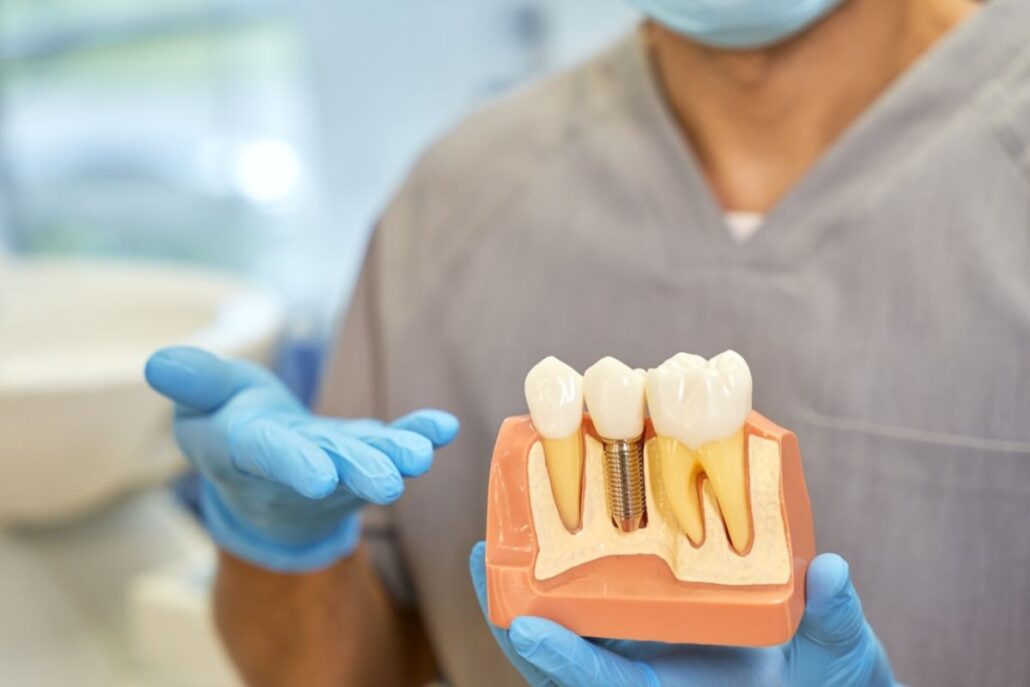
Dental Implant Structure 101: A Simple Guide to the Fixture, Abutment, and Crown
A missing tooth can change more than just your smile—it can affect how you eat, speak, and feel about yourself. Modern restorative dentistry has made it possible to replace a lost tooth with something that looks, feels, and functions almost exactly like the real thing. That’s where dental implants come in.
For patients considering dental implants in Las Cruces, understanding what goes into each implant helps make the process less intimidating and far more fascinating. Think of it as learning how your new tooth is engineered, from the “root” below the gumline to the visible crown that completes your smile.
1. The Fixture — Your New Tooth Root
The fixture is the foundation of every implant. Shaped like a small screw, it’s usually made of titanium or zirconia—biocompatible materials that fuse naturally with your jawbone through a process called osseointegration. This creates a strong, stable base just like a natural tooth root.
How It’s Placed
The procedure begins with a precise surgical placement into the bone under local anesthesia. Once inserted, the fixture is left in place for several months while your bone integrates around it. This step is crucial because it determines the stability and longevity of the entire restoration.
2. The Abutment — The Connector Between Strength and Beauty
Once the fixture is fully bonded to the jaw, a small metal connector called an abutment is attached. This component acts as a bridge between the hidden root and the visible crown. It sits just above the gumline and is carefully designed to fit the final restoration perfectly.
Why It Matters
The abutment ensures that your crown stays firmly in place while distributing bite pressure evenly across the implant. It also allows your dentist to customize the shape and angle for a seamless, natural appearance, so the transition between your real and restored teeth is virtually invisible.
3. The Crown — The Finishing Touch Everyone Sees
The crown is the visible part of your implant, completing your smile. Crafted from durable, lifelike materials such as porcelain or ceramic, the crown is custom-shaded to match your surrounding teeth. Once attached to the abutment, it restores full function, allowing you to chew, smile, and speak comfortably again.
Placement Process
After your gums have healed around the abutment, your dental provider will take impressions or digital scans to design your crown. When ready, it’s securely fastened to the abutment using dental cement or a screw-retained system. The result? A restoration that feels completely natural, with no slipping, no shifting, and no gaps.
4. Maintaining Your Implant for the Long Run
Although implants can last for decades, they still require consistent care. Proper hygiene helps keep the crown bright and protects the bone and tissue surrounding the fixture.
Here are a few simple maintenance tips:
- Brush your teeth twice daily using a soft-bristled toothbrush and a non-abrasive toothpaste.
- Floss or use interdental brushes to clean around the abutment and crown, where food can get trapped.
- Rinse with antimicrobial mouthwash to reduce plaque and bacteria buildup.
- Avoid chewing extremely hard foods like ice or nutshells, which can damage the crown.
- Visit your dental provider regularly for checkups and professional cleanings to ensure your implant remains secure and healthy.
Like the natural teeth, your implant thrives with consistent attention and gentle care.
Rediscover Confidence with Dental Implants in Las Cruces
Each part of an implant—fixture, abutment, and crown- works together to restore your smile’s strength, beauty, and function. Understanding how these elements connect gives patients peace of mind and appreciation for the craftsmanship behind every restoration.
If you’re ready to replace missing teeth with a solution that feels natural and lasts for years, schedule a consultation with University Family Dental. Their experienced team offers dental implants in Las Cruces designed to blend precision with artistry, helping you eat, speak, and smile with renewed confidence.
FAQs
1. What are the three main parts of a dental implant?
A complete dental implant consists of three components: the fixture, which acts as the tooth root; the abutment, which connects the fixture to the crown; and the crown, the visible part that looks and functions like a natural tooth.
2. How is a dental implant placed in the mouth?
The process begins by surgically placing the fixture into the jawbone. After a healing period that allows the bone to fuse with the implant, the abutment is attached, followed by the placement of a custom-made crown. The entire process typically takes several months to complete.
3. How long do dental implants last?
With proper care and regular dental visits, implants can last for decades—often a lifetime. The fixture is designed to be permanent, while the crown may need replacement after 10–15 years due to normal wear.
4. What type of maintenance do dental implants require?
Implants should be cared for just like natural teeth. Daily brushing and flossing, routine professional cleanings, and avoiding habits like grinding or chewing very hard foods can help maintain the health of the implant and surrounding tissues.
5. Are dental implants safe for everyone?
Most adults with healthy gums and sufficient bone density are good candidates. However, conditions such as uncontrolled diabetes, smoking, or severe bone loss may require special evaluation or additional procedures before implant placement.


