How Nutrition Impacts Dental Implant Healing and Longevity

How Modern Techniques At A Dental Implant Clinic In Las Cruces Support Comfortable & Treatment Outcomes?

If you’re missing teeth, one of your biggest concerns is likely not just the outcome—but the experience itself. Will it hurt? How long will recovery take? Will it disrupt your daily routine?

These are valid questions, especially for people who want a solution that fits into their lifestyle without added stress. Missing teeth can already affect how you eat, speak, and feel in social situations. The idea of a complicated or uncomfortable procedure often makes people delay treatment.

For residents in Cruces, where outdoor living, community events, and social gatherings are part of everyday life, comfort and convenience matter. The good news is that modern dental implant techniques have completely changed the experience, making it more precise, less invasive, and more manageable than before.

The Shift From Procedure-Focused To Patient-Focused Care

In the past, tooth replacement with dental implants in Las Cruces focused mainly on structural success, i.e., placing the dental post correctly and ensuring it lasted. While that remains important, modern dentistry has evolved to prioritize the patient’s overall experience.

Today, the focus includes:

  • Comfort during the procedure.
  • Faster and smoother recovery.
  • Minimal disruption to daily routines.

Clinical data support this shift. Studies in implant dentistry show that success rates now exceed 95%, largely due to improvements in planning, materials, and techniques. More importantly, patient-reported discomfort has significantly decreased.

Now, the process is not only successful but also predictable and manageable, fitting into your lifestyle.

How Technology Changed The Way Procedures Are Planned?

Modern planning for prosthetic teeth treatment relies on digital precision rather than estimation. Advanced 3D imaging allows oral care providers to map bone structure, nerve positioning, and placement angles with accuracy.

As a result, the patient receives:

  • Shorter procedure times.
  • More predictable outcomes.
  • Reduced impact on surrounding structures.

You will benefit from a smoother experience because everything is planned before the procedure even begins. That precision also makes the next advancement possible—less invasive techniques.

Can Less Invasive Techniques Reduce Discomfort?

Yes, and the difference is measurable.

Today’s methods use smaller entry points and guided placement tools, which preserve healthy tissue. Studies show this approach can reduce swelling by up to 40% compared to older methods.

Patients often experience:

  • Less post-procedure soreness.
  • Faster return to normal activities.
  • Reduced need for extended recovery time.

How Do Modern Materials Support Faster Healing?

Healing is a crucial part of the process, and modern materials play a major role in improving it.

Most dental posts are made from biocompatible titanium, which integrates naturally with the jawbone through a process called osseointegration. New surface technologies enhance this process, allowing the titanium post to bond more efficiently with the bone.

These advancements can improve integration speed by nearly 20–25%, depending on individual health factors. This means:

  • Stronger implant stability.
  • Shorter healing timelines.
  • More predictable outcomes.

Your body adapts more naturally, making the entire experience feel smoother.

How Is Patient Comfort Managed During The Procedure?

Anxiety can make any oral procedure feel more uncomfortable. When you visit our dental implant clinic in Las Cruces, you will receive sedation and comfort techniques to make surgeries painless. Patients are supported with options that help them stay calm while remaining safe and aware. This controlled relaxation reduces stress and improves the overall experience. Once comfort on the dental chair is managed, the next focus becomes how your daily environment affects recovery.

Does Your Lifestyle Or Environment Affect Comfort And Healing?

Healing doesn’t happen in isolation; it’s influenced by where you live and how you spend your day.

The desert climate in this city, Cruces, brings dry air, strong sunlight, and warm temperatures for most of the year. Many residents also enjoy an active routine, whether it’s walking local trails, attending outdoor markets, or spending evenings outside. These factors can subtly affect how your body recovers after a procedure.

For example:

  • Low humidity levels can dry oral tissues faster, making hydration more important during recovery
  • Sun exposure and heat may increase temporary sensitivity, especially in the first few days
  • Active outdoor routines may need to be paused briefly to avoid unnecessary pressure on healing areas

Because of this, recovery guidance is often to fit the local environment. Staying well hydrated, choosing cooler times of day for activity, and easing back into outdoor routines can support smoother healing. This approach ensures your recovery fits naturally into life in Las Cruces—so you can return to your normal routine comfortably and with confidence.

Why Is Personalized Planning So Important For Better Results?

Every patient’s mouth is different, and that’s why a one-size-fits-all approach doesn’t work. Factors like bone strength, overall health, and daily habits all influence how successful and comfortable the process will be.

At a dental implant clinic in Las Cruces, providers take the time to evaluate these details before creating a plan. This helps ensure that placement is accurate, healing is smoother, and the final result feels natural. For example, someone with lower bone density may need a different approach than someone with a stronger jaw structure. Similarly, lifestyle habits like grinding or diet can also impact long-term stability.

With advancements like minimally invasive techniques, the process can be adjusted to reduce discomfort and fit more easily into your routine. In simple terms, personalized planning helps plan care specifically for you, so the results are effective, comfortable, and long-lasting.

Why Is Acting Early With Missing Teeth Concern So Important?

Even with advanced techniques, delaying care can complicate the process. Bone loss can begin soon after tooth loss, with studies showing a reduction of up to 25% in bone density within the first year. This can limit options and require more complex procedures later. Taking action early keeps the process simpler, more comfortable, and more predictable.

What To Expect During Recovery Post-Implant Surgery?

Recovering from a surgery with dental implants in Las Cruces today is much easier than most people expect. Most patients notice:

  • Mild swelling for the first 24–48 hours, which gradually settles.
  • A soft-food diet for a few days before returning to regular meals.
  • Minimal interruption to everyday activities if proper care is followed.

Because of the dry climate and warm weather, staying hydrated plays a bigger role here than many realize. Drinking enough water helps your body recover faster and keeps tissues from drying out.

If you enjoy spending time outdoors, whether it’s morning walks or local events, it’s best to take it slow for the first couple of days. Choosing cooler parts of the day and avoiding direct sun early on can make recovery feel more comfortable. With the right approach, you can quickly return to your normal routine without any complications.

Comfort Is Now The Standard, Not The Exception

At University Family Dental, comfort is not treated as an added benefit. It is built into every step of the process. From advanced planning to precise placement, our approach focuses on making your experience smooth, controlled, and fully aligned with your needs.

If you are considering dental implants in Las Cruces, our team focuses on delivering results that feel as good as they look. We combine modern techniques with a patient-first philosophy, ensuring that your journey is guided with clarity, confidence, and attention to detail. We provide patients with a restored smile with an experience that feels predictable, supportive, and comfortable from start to finish. Schedule your consultation with us today to solve your missing teeth or other dental concerns and smile confidently.

Frequently Asked Questions (FAQs) 

  1. Are dental implants painful during the procedure?
    Most patients report minimal discomfort during the procedure due to local anesthesia and modern techniques. Advanced methods reduce tissue trauma, making the experience more controlled and manageable than many expect.
  2. How long does it take to recover from artificial tooth root surgery?
    Initial healing usually takes a few days, while full integration with the bone can take several months. Recovery timelines vary based on individual health and the complexity of the procedure.
  3. What makes modern implanted teeth more comfortable than before?
    Modern artificial tooth roots use digital planning and minimally invasive techniques to reduce surgical impact. These advancements improve precision, shorten recovery time, and significantly lower post-procedure discomfort compared to traditional methods.
  4. Can prosthetic teeth feel like natural teeth?
    Yes, once fully integrated, they function and feel very similar to natural teeth. They are designed to restore normal chewing ability and provide long-term stability without noticeable differences.
  5. How successful are dental implants with current techniques?
    Current techniques show success rates above 95%, supported by improved materials and planning methods. Long-term stability depends on bone health, proper placement, and consistent post-procedure care.


How Nutrition Impacts Dental Implant Healing and Longevity

Why Dental Implants Are Becoming the Preferred Tooth Replacement in Las Cruces

Tooth loss is more common than many people realize, especially as we age or after years of wear, dental issues, or unexpected injuries. In a close-knit community like Las Cruces, where smiling confidently and enjoying meals with family and friends is part of everyday life, missing teeth can affect more than just oral health. It can impact how you eat, speak, and feel about yourself. That’s why more patients are now choosing modern tooth replacement solutions that offer stability, comfort, and long-term value.

Unlike older options that simply sit on the gums, today’s implant-based solutions are designed to restore both function and confidence. Once patients understand how this treatment works and what it offers, it’s easy to see why dental implants, which Las Cruces residents choose, have become the preferred option for replacing missing teeth.

A Shift Toward Long-Term Tooth Replacement

For many years, removable dentures and traditional bridges were the standard answers to tooth loss. While these options still help in certain cases, they don’t address the root of the problem. When a tooth is missing, the jawbone underneath no longer receives stimulation, which can lead to gradual bone loss and changes in facial structure.

Dental implants stand apart because they replace the entire tooth structure, including the root. This creates a strong foundation that closely mimics natural teeth. Patients in Las Cruces often appreciate solutions that are built to last, especially when they support an active lifestyle that includes local dining, outdoor activities, and social gatherings.

Why Implants Feel More Natural

One of the most common reasons patients choose implants is how natural they feel. Because the implant integrates with the jawbone, it becomes a stable part of your mouth. There’s no slipping, clicking, or worry about movement when eating or speaking.

For residents who enjoy local favorites like green chile dishes, steak, or fresh New Mexican cuisine, being able to chew comfortably makes a noticeable difference. Implants restore bite strength, allowing patients to enjoy foods they may have avoided with other tooth replacement options.

Stability That Supports Everyday Confidence

Living in Las Cruces means staying social, whether it’s at community events, family gatherings, or casual conversations with neighbors. Missing teeth or loose dentures can make people feel self-conscious in these moments.

Dental implants help restore confidence by providing a secure, permanent solution. Once the healing process is complete, many patients forget they even have an implant because it feels so similar to a natural tooth. This confidence carries over into daily life, from smiling in photos to speaking clearly at work or social events.

Designed for Long-Term Oral Health

Another reason implants are becoming more popular is their role in preserving oral health. When teeth are missing, surrounding teeth may shift, and the jawbone can weaken over time. Implants help maintain bone density and keep nearby teeth properly aligned.

Patients seeking dental implants in Las Cruces often appreciate that this option isn’t just about appearance; it’s about protecting the health of the entire mouth for years to come.

Why Las Cruces Patients Are Choosing Implants

Local patients are increasingly informed and proactive about their health. With access to modern dental technology and personalized care, more people are choosing treatments that align with long-term wellness rather than short-term fixes.

Here are a few key reasons implants stand out:

  • They look and feel like natural teeth

  • They restore strong chewing ability

  • They help prevent bone loss in the jaw

  • They don’t rely on neighboring teeth for support

  • They are easy to care for with regular brushing and checkups

Who Is a Good Candidate?

Many adults are surprised to learn they may be good candidates for implants, even if they’ve been missing teeth for years. Healthy gums, adequate bone, and good overall health are important factors, but advancements in dentistry have made treatment accessible to more patients than ever before.

A personalized consultation is the best way to determine whether implants are right for you and what options fit your specific needs.

What the Process Looks Like

While each patient’s treatment plan is unique, the implant process typically involves placing the implant, allowing time for healing and bone integration, and then attaching a custom restoration. Each step is carefully planned to ensure comfort, function, and a natural-looking result.

Patients often appreciate that, although the process takes time, the outcome is a stable and long-lasting solution that doesn’t require frequent adjustments.

Life After Dental Implants

Once treatment is complete, daily life becomes easier. Eating feels natural again. Speaking is clear and comfortable. Smiling doesn’t require a second thought. For many Las Cruces residents, implants offer a renewed sense of normalcy and confidence that extends beyond oral health.

FAQs About Dental Implants

How long do dental implants last?
With proper care, implants can last many years and often decades, making them one of the most durable tooth replacement options available.

Is the implant procedure painful?
Most patients report minimal discomfort. The procedure is performed with comfort-focused techniques, and any soreness afterward is usually manageable.

How do I care for dental implants?
Implants are cared for much like natural teeth—regular brushing, flossing, and routine dental visits are essential.

Can implants replace multiple teeth?
Yes. Implants can support single crowns, bridges, or even full-arch restorations depending on your needs.

How Nutrition Impacts Dental Implant Healing and Longevity

How Poor Oral Hygiene Can Shorten the Lifespan of Dental Implants

Dental implants are designed to be a long-term solution for missing teeth, but their success isn’t guaranteed just because the procedure is complete. What many patients don’t realize is that daily habits after placement play a major role in how long implants last. In a community like Las Cruces, where busy work schedules, outdoor lifestyles, and desert conditions can impact oral health, maintaining strong hygiene routines becomes even more important.

An implant doesn’t decay like a natural tooth, but the gums and bone around it are very much alive. When oral hygiene slips, harmful bacteria can build up around the implant, leading to inflammation, infection, and even bone loss. Over time, this can weaken the foundation that supports the implant, shortening its lifespan and putting your investment at risk.

For patients considering or already living with dental implants in Las Cruces, understanding how oral hygiene affects long-term success can help protect both your smile and your health.

Why Dental Implants Still Need Daily Care

A common misconception is that implants are “maintenance-free.” While the implant itself is made of durable materials like titanium, it relies on healthy gums and bone to stay secure. Poor oral hygiene allows plaque to accumulate around the implant crown and gumline, creating the perfect environment for bacteria.

If left unchecked, this bacterial buildup can cause peri-implant disease, a condition similar to gum disease that affects the tissue surrounding implants. This condition often develops silently, with mild symptoms that are easy to ignore until significant damage has occurred.

How Poor Oral Hygiene Impacts Implant Longevity

Neglecting daily care doesn’t cause immediate failure, but the damage adds up over time. Here’s how poor hygiene shortens the lifespan of implants:

  • Plaque accumulation irritates gum tissue, leading to inflammation and bleeding

  • Bacteria can spread beneath the gumline, weakening bone support

  • Chronic inflammation reduces the blood flow needed for tissue health

  • Infection around the implant can cause gradual loosening

  • Untreated issues may eventually require implant removal

In Las Cruces, dry air and seasonal allergies can also contribute to dry mouth, which reduces saliva’s natural ability to wash away bacteria. This makes consistent hygiene even more essential for implant patients in this area.

Local Lifestyle Factors That Matter in Las Cruces

Life in Las Cruces comes with unique habits that can unintentionally affect oral health. Many residents enjoy outdoor work, farming, hiking, or sports, which can lead to dehydration. Less hydration often means reduced saliva production, allowing bacteria to thrive.

Additionally, popular local foods—especially spicy dishes and frequent coffee consumption—can contribute to plaque buildup when brushing and flossing are inconsistent. Long commutes, shift work, or caregiving responsibilities can also cause patients to rush through oral care routines or skip them altogether.

Being aware of these local factors helps patients make smarter choices that protect their implants long-term.

Simple Daily Habits That Protect Your Investment

The good news is that implant maintenance doesn’t require complicated routines—just consistency and proper technique. Small daily habits make a big difference over time.

Key practices include:

  • Brushing twice daily using a soft-bristle toothbrush

  • Floss carefully around the implant crown and gumline

  • Use antimicrobial mouth rinses if recommended

  • Staying hydrated throughout the day

  • Avoiding tobacco products that slow gum healing

Routine dental visits are just as important. Professional cleanings allow your dentist to detect early signs of inflammation before they turn into serious problems. Patients who schedule regular checkups often enjoy stronger, longer-lasting implant results.

Warning Signs You Shouldn’t Ignore

One challenge with implant-related infections is that symptoms often start mild. Many patients dismiss early signs, assuming discomfort is temporary. Paying attention to changes can help prevent permanent damage.

Contact your dentist if you notice:

  • Bleeding or swelling around the implant

  • Persistent bad breath or unpleasant taste

  • Gum tenderness that doesn’t improve

  • Sensitivity or pressure near the implant area

Addressing these symptoms early can help preserve the implant and avoid more invasive treatments.

Why Professional Care Makes a Difference

While home care is essential, professional monitoring ensures implants remain stable and healthy. A dentist experienced with dental implants Las Cruces understands how local lifestyle factors, bone density, and gum health influence long-term outcomes.

Professional evaluations allow for early intervention, customized hygiene recommendations, and adjustments that keep implants functioning as intended. Patients who stay proactive often enjoy decades of confident, comfortable smiles.

Frequently Asked Questions

Can dental implants fail because of poor oral hygiene?
Yes. While implants are durable, infections around the gums and bone can weaken the support and eventually cause failure if hygiene is neglected.

Do implants need more care than natural teeth?
Implants require the same level of care, but precision matters more because gum infections can progress without obvious pain.

How often should implant patients schedule dental visits?
Most patients benefit from checkups every six months, though some may need more frequent visits depending on gum health.

Does dry mouth affect implant health?
Absolutely. Reduced saliva allows bacteria to grow faster, increasing infection risk around implants.

Is professional cleaning safe for implants?
Yes. Professional cleanings are essential and use tools designed to protect implant surfaces.

Dental Implants in Las Cruces

How Lifestyle Habits in Las Cruces Affect the Success of Dental Implants

Dental implants are one of the most reliable ways to restore missing teeth, but their long-term success depends on more than just the procedure itself. Many people in Las Cruces don’t realize that everyday lifestyle choices can strongly influence healing, implant stability, and overall oral health. From diet and oral hygiene to exercise routines and climate factors, the habits you follow play a major role in how well your implants integrate.

The Connection Between Habits and Implant Longevity

Healthy implants rely on strong bone support, good gum health, and consistent care. While dental implant technology continues to improve, your daily actions matter just as much as your dentist’s skill. This becomes especially important in a region like Las Cruces, where desert weather, local food preferences, and outdoor lifestyles can impact oral health in unique ways.

Lifestyle Habits That Influence Success

1. Diet and Local Food Choices

Las Cruces is known for its flavorful southwestern cuisine, including spicy dishes and crunchy textures that can be hard on healing implants. During the initial healing phase, it’s important to avoid foods that can irritate the surgical site or create unnecessary pressure. After healing, a balanced diet supports strong bone density, which is essential for the stability of the dental implants Las Cruces patients receive.

2. Hydration in a Desert Climate

The dry climate of New Mexico can contribute to dehydration and dry mouth, both of which increase the risk of gum inflammation around implants. Staying hydrated throughout the day, especially during outdoor activities, encourages healthy saliva flow and protects gum tissue.

3. Tobacco and Smoking Habits

Smoking remains one of the biggest threats to implant success. Nicotine restricts blood flow, slows healing, and increases the chance of infection. Las Cruces residents who smoke are often advised to reduce or quit before implant placement to ensure the best possible outcome.

4. Activity Levels and Outdoor Recreation

Many people in Las Cruces lead active lifestyles involving hiking, biking, sports, and sun exposure. While exercise promotes overall health, high-impact activities immediately after implant surgery should be avoided. Excessive strain or accidental injury can disrupt the healing process. Once healed, regular exercise supports strong circulation, benefiting implant longevity.

5. Oral Hygiene Practices

Consistent home care is one of the most important factors in implant success. Brushing twice daily, flossing, and using antimicrobial rinses help protect the gums from inflammation and infection. Patients who maintain strict oral hygiene routines experience fewer complications and longer-lasting results.

6. Stress and Teeth Grinding

Stress can lead to bruxism (teeth grinding), which puts significant pressure on implants. Las Cruces residents who clench or grind may need a nightguard to protect their new restoration from unnecessary strain.

How Local Habits Shape Long-Term Implant Health

Las Cruces offers a unique blend of climate, culture, and lifestyle that influences dental implant care. Understanding how your personal habits interact with your oral health can help you keep your implants strong for decades. Whether you enjoy outdoor activities, local cuisine, or a busy day-to-day routine, small adjustments can make a positive difference.

Keeping Your Implants Healthy for Years to Come

The more mindful you are about your habits, from hydration to oral hygiene, the better your implants will perform over time. Routine checkups, early intervention when issues arise, and consistent home care are essential. By making choices that support good gum and bone health, you set yourself up for long-term success. For patients seeking trustworthy guidance and customized care, University Family Dental is committed to helping you protect your investment and enjoy a confident smile for life.

Dental Implant Structure 101: A Simple Guide to the Fixture, Abutment, and Crown

A missing tooth can change more than just your smile—it can affect how you eat, speak, and feel about yourself. Modern restorative dentistry has made it possible to replace a lost tooth with something that looks, feels, and functions almost exactly like the real thing. That’s where dental implants come in.

For patients considering dental implants in Las Cruces, understanding what goes into each implant helps make the process less intimidating and far more fascinating. Think of it as learning how your new tooth is engineered, from the “root” below the gumline to the visible crown that completes your smile.

1. The Fixture — Your New Tooth Root

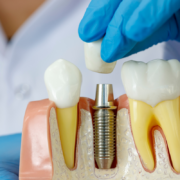
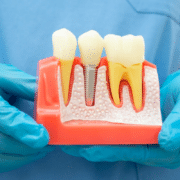
The fixture is the foundation of every implant. Shaped like a small screw, it’s usually made of titanium or zirconia—biocompatible materials that fuse naturally with your jawbone through a process called osseointegration. This creates a strong, stable base just like a natural tooth root.

How It’s Placed

The procedure begins with a precise surgical placement into the bone under local anesthesia. Once inserted, the fixture is left in place for several months while your bone integrates around it. This step is crucial because it determines the stability and longevity of the entire restoration.

2. The Abutment — The Connector Between Strength and Beauty

Once the fixture is fully bonded to the jaw, a small metal connector called an abutment is attached. This component acts as a bridge between the hidden root and the visible crown. It sits just above the gumline and is carefully designed to fit the final restoration perfectly.

Why It Matters

The abutment ensures that your crown stays firmly in place while distributing bite pressure evenly across the implant. It also allows your dentist to customize the shape and angle for a seamless, natural appearance, so the transition between your real and restored teeth is virtually invisible.

3. The Crown — The Finishing Touch Everyone Sees

The crown is the visible part of your implant, completing your smile. Crafted from durable, lifelike materials such as porcelain or ceramic, the crown is custom-shaded to match your surrounding teeth. Once attached to the abutment, it restores full function, allowing you to chew, smile, and speak comfortably again.

Placement Process

After your gums have healed around the abutment, your dental provider will take impressions or digital scans to design your crown. When ready, it’s securely fastened to the abutment using dental cement or a screw-retained system. The result? A restoration that feels completely natural, with no slipping, no shifting, and no gaps.

4. Maintaining Your Implant for the Long Run

Although implants can last for decades, they still require consistent care. Proper hygiene helps keep the crown bright and protects the bone and tissue surrounding the fixture.

Here are a few simple maintenance tips:

  • Brush your teeth twice daily using a soft-bristled toothbrush and a non-abrasive toothpaste.
  • Floss or use interdental brushes to clean around the abutment and crown, where food can get trapped.
  • Rinse with antimicrobial mouthwash to reduce plaque and bacteria buildup.
  • Avoid chewing extremely hard foods like ice or nutshells, which can damage the crown.
  • Visit your dental provider regularly for checkups and professional cleanings to ensure your implant remains secure and healthy.

Like the natural teeth, your implant thrives with consistent attention and gentle care.

Rediscover Confidence with Dental Implants in Las Cruces

Each part of an implant—fixture, abutment, and crown- works together to restore your smile’s strength, beauty, and function. Understanding how these elements connect gives patients peace of mind and appreciation for the craftsmanship behind every restoration.

If you’re ready to replace missing teeth with a solution that feels natural and lasts for years, schedule a consultation with University Family Dental. Their experienced team offers dental implants in Las Cruces designed to blend precision with artistry, helping you eat, speak, and smile with renewed confidence.

FAQs

1. What are the three main parts of a dental implant?

A complete dental implant consists of three components: the fixture, which acts as the tooth root; the abutment, which connects the fixture to the crown; and the crown, the visible part that looks and functions like a natural tooth.

2. How is a dental implant placed in the mouth?

The process begins by surgically placing the fixture into the jawbone. After a healing period that allows the bone to fuse with the implant, the abutment is attached, followed by the placement of a custom-made crown. The entire process typically takes several months to complete.

3. How long do dental implants last?

With proper care and regular dental visits, implants can last for decades—often a lifetime. The fixture is designed to be permanent, while the crown may need replacement after 10–15 years due to normal wear.

4. What type of maintenance do dental implants require?

Implants should be cared for just like natural teeth. Daily brushing and flossing, routine professional cleanings, and avoiding habits like grinding or chewing very hard foods can help maintain the health of the implant and surrounding tissues.

5. Are dental implants safe for everyone?

Most adults with healthy gums and sufficient bone density are good candidates. However, conditions such as uncontrolled diabetes, smoking, or severe bone loss may require special evaluation or additional procedures before implant placement.


How Dental Implants Support Speech and Confidence Recovery

When missing teeth affect your ability to speak or smile confidently, it can impact your everyday life in ways you may not have imagined. From simple conversations to laughing with friends, tooth loss often creates both functional and emotional challenges. Modern dentistry offers a proven solution through dental implants, which restore not only your smile but also your ability to speak clearly and feel confident again.

The Connection Between Teeth and Speech

Your teeth play an essential role in forming sounds and controlling airflow when you speak. When one or more teeth are missing, speech can become slurred or certain sounds harder to pronounce. Dentures may help replace missing teeth, but they can sometimes slip or feel uncomfortable, making clear communication difficult. Dental implants, on the other hand, are anchored securely to the jawbone, providing a stable and natural solution for restoring speech function.

How Implants Help Improve Speech

Dental implants act just like natural teeth, giving you the stability to articulate words clearly. Here are a few ways they support speech recovery:

  • Stability: Unlike removable dentures, implants do not shift, allowing you to speak without fear of slippage.

  • Precision in Pronunciation: With gaps filled and teeth aligned, you can pronounce words more accurately.

  • Confidence in Conversations: Implants help eliminate self-consciousness caused by speech difficulties.

Regaining Confidence Through Dental Implants

Speech is just one part of the bigger picture. Many people with missing teeth also struggle with self-esteem, feeling hesitant to smile or speak in social settings. Dental implants restore a natural-looking smile, giving you the confidence to interact without hesitation.

When you feel secure in how you look and sound, it naturally boosts your social interactions, workplace communication, and overall emotional well-being.

Why Las Cruces Patients Choose Dental Implants

Choosing dental implants in Las Cruces means accessing advanced restorative dentistry with long-term benefits. Implants not only restore speech and appearance but also support jawbone health, preventing further oral complications. Patients appreciate the combination of durability, functionality, and aesthetics that make implants a life-changing investment.

The Healing and Adjustment Process

After placement, your mouth needs time to heal and adjust to the implants. Once integrated with the jawbone, implants feel and function like natural teeth. Many patients report immediate improvements in confidence, while speech clarity continues to improve as they adapt to their new smile.

A Smile That Works as Hard as You Do

Dental implants do more than replace teeth — they give you back the freedom to live life without restrictions. From enjoying your favorite foods to speaking confidently in any setting, implants provide a permanent, reliable solution. For those in Las Cruces seeking lasting oral health and renewed confidence, dental implants are a trusted choice.

At University Family Dental, our team is dedicated to helping patients achieve healthy, functional, and beautiful smiles with personalized implant treatments.

Dental Implants in Las Cruces

How Dental Implants Improve Oral Health Beyond Just Replacing Teeth

When most people think of dental implants, they immediately picture a replacement for missing teeth. While implants certainly restore the look and function of a smile, their benefits extend much further. They provide long-term improvements for oral health, jaw strength, and overall well-being, making them one of the most advanced solutions in modern dentistry.

The Foundation for Stronger Oral Health

Dental implants are designed to act like natural tooth roots. Surgically placed into the jawbone, they create a stable foundation for crowns, bridges, or dentures. Unlike removable options, implants integrate with the bone and prevent it from weakening over time. This integration ensures that the surrounding teeth remain stable, protecting the natural structure of the mouth.

Preventing Bone Loss and Facial Changes

One of the most significant health advantages of implants is their role in maintaining bone density. When a tooth is lost, the jawbone in that area no longer receives stimulation, causing it to deteriorate gradually. This bone loss not only weakens oral health but can also change the appearance of the face, leading to a sunken or aged look. By mimicking the function of real roots, implants stimulate the jawbone and keep it healthy.

How Dental Implants Support Overall Oral Function

Chewing and speaking become easier and more natural with implants compared to other replacement methods. Because they are anchored securely in the bone, they do not shift or move. This stability allows patients to enjoy a full diet, including foods that might be difficult to eat with traditional dentures. Additionally, improved chewing contributes to better digestion and nutrition, which benefits overall health.

The Role of Implants in Protecting Natural Teeth

An overlooked benefit of dental implants in Las Cruces is that implants help preserve existing teeth. Traditional bridges often require adjacent healthy teeth to be reshaped or altered for support, which can weaken them. Implants, however, stand independently, eliminating the need to compromise surrounding teeth. This preservation contributes to a healthier bite and reduces the likelihood of further dental problems.

Improved Oral Hygiene and Long-Term Stability

Dental implants also make oral care simpler. Unlike removable dentures, which require special cleaning solutions, implants can be brushed and flossed just like natural teeth. This convenience encourages patients to maintain their daily oral hygiene habits without disruption. Because they are designed to last for decades with proper care, implants also reduce the stress and cost of repeated replacements.

Restoring Confidence Alongside Health

The emotional and psychological benefits of implants should not be overlooked. Missing teeth often lead to self-consciousness, which can affect confidence in social and professional settings. With implants, patients regain a natural-looking smile that feels comfortable and permanent. The combination of improved appearance, function, and oral health makes implants a comprehensive solution.

Why Patients in Las Cruces Choose Trusted Care

For individuals seeking a permanent, health-focused option, implants offer more than aesthetics—they actively protect and strengthen the entire mouth. Practices like University Family Dental provide patients with the expertise, care, and advanced technology needed to make the implant process both safe and effective. Choosing implants not only restores teeth but also safeguards long-term oral wellness.Final Thoughts

Dental implants are far more than replacements for missing teeth. By preventing bone loss, protecting natural teeth, and making daily oral care easier, they play a crucial role in long-term health. For residents of Las Cruces, implants represent an opportunity to enjoy lasting function, stability, and confidence in their smiles.

How Dental Implants Help Youth Make a Confident First Impression

First impressions matter—especially for young people navigating school, job interviews, first dates, and new social environments. A bright, healthy smile can boost self-assurance, while missing or damaged teeth can lead to insecurity and anxiety. For young people dealing with tooth loss due to trauma, decay, or congenital conditions, dental implants offer a life-changing solution that restores both appearance and confidence.

The teenage and young adult years are formative, filled with moments that shape personal identity and social interaction. Whether it’s speaking up in class or meeting someone new, feeling good about one’s smile often plays a bigger role than we realize. Missing teeth can impact the way young people express themselves, causing them to avoid smiling, laughing, or speaking in public. Over time, this can take a toll on emotional well-being and self-image.

Dental implants are becoming a trusted option for young patients seeking permanent tooth replacement. Unlike dentures or bridges, implants are surgically placed into the jawbone, offering stability, function, and a natural look. Once the implant fuses with the bone, it supports a crown that looks and feels like a real tooth. This makes them ideal for youth who want a long-term solution without the hassle or insecurity of removable options.

One of the reasons implants are especially impactful for younger individuals is their ability to restore oral function with minimal compromise. A well-placed implant allows for natural speech, unrestricted chewing, and improved facial structure—all essential during years of growth and self-discovery. More importantly, it allows youth to smile confidently without fear of judgment or embarrassment.

At dental implants Las Cruces clinics, professionals often work with young adults who’ve lost teeth due to sports injuries, untreated cavities, or genetic issues like congenitally missing teeth. These patients typically seek an option that blends seamlessly with their existing teeth and fits their active lifestyle. Implants offer both, along with the added benefit of preserving jawbone health, which is crucial for facial development.

Social settings like school dances, college orientations, or first-time job interviews place high value on presentation and communication. When someone feels self-conscious about their smile, it can limit their participation or even their ambition. Restoring a youthful smile through dental implants can create a ripple effect, building the confidence to speak up, engage more fully, and take on new opportunities.

Beyond cosmetic improvements, dental implants can also prevent further dental issues that arise from gaps or shifting teeth. By filling in those spaces, they help maintain proper alignment and bite, reducing the risk of future orthodontic complications. This makes them a smart investment not just in appearance, but in long-term oral health.

Of course, the success of dental implants in younger patients depends on several factors, including bone development, oral hygiene, and overall health. That’s why dentists carefully evaluate candidates to ensure their jaw is fully mature before proceeding. Once approved, the process is carefully managed to provide optimal results with minimal discomfort.

For families in Las Cruces considering this option, it’s important to choose a provider who understands the unique needs of young patients. A supportive environment and patient-centered care make all the difference when navigating the implant process at a young age.

University Family Dental is proud to offer comprehensive implant services tailored to the lifestyle and goals of local youth. Their experienced team provides not only expert placement but also compassionate guidance from consultation to recovery, helping each patient achieve a smile they can truly be proud of.

Dental implants are more than just a cosmetic fix—they’re a path to renewed self-esteem and opportunity. For young people learning to navigate life with confidence, having a complete, healthy smile can open doors socially, academically, and professionally. And with today’s advanced dental care, that first impression can be a lasting one.

Can I Get a Dental Implant After a Root Canal?

Can You Get a Dental Implant After a Root Canal?

A root canal is often the last resort to save a damaged or infected tooth. But what happens if the treated tooth eventually fails? Many people wonder whether they can get a dental implant after a root canal. The good news is that a dental implant is a great solution if a root canal-treated tooth is beyond saving.

If you are considering dental implants, here’s everything you need to know about the process, the ideal timeline, and what to expect.

How Do You Know When a Tooth Needs a Root Canal?

Recognizing the signs of a tooth infection can help prevent further complications. Here are some indicators that you may need a root canal:

  • Severe tooth pain – Especially when chewing or applying pressure.
  • Prolonged sensitivity – Pain when consuming hot or cold foods that lingers.
  • Swollen or tender gums – Indicating an underlying infection.
  • Darkening of the tooth – A sign of internal decay or damage.
  • Pimple on the gums – A persistent bump that may leak pus, indicating an abscess.

What Happens During a Root Canal?

A root canal is a dental procedure designed to save a severely decayed or infected tooth. Here’s what happens during the process:

  • Numbing the Area – The dentist administers local anesthesia to ensure a pain-free procedure.
  • Removing the Infected Pulp – The infected or damaged pulp inside the tooth is removed.
  • Cleaning and Shaping the Canals – The root canals are cleaned and shaped to eliminate bacteria.
  • Filling the Canals – A biocompatible material is used to fill the canals, preventing reinfection.
  • Sealing and Restoring the Tooth – A crown or filling is placed to protect the tooth and restore function.

How Do Root Canals Fail?

Although root canals are highly successful, failure can occur in some cases. Here’s why:

  • Incomplete Cleaning – If bacteria remain in the canals, reinfection can develop.
  • Hidden Canals – Additional root canals may go undetected and untreated.
  • Poor Seal or Filling – If the filling or crown is compromised, bacteria can re-enter.
  • Tooth Fracture – A cracked tooth can allow bacteria to seep inside, leading to infection.

Why Might a Root Canal-Treated Tooth Need Replacement?

While root canals have a high success rate, some cases require further intervention. Here’s why a root canal-treated tooth might need replacement with a dental implant:

  • Persistent Infection – Even after a root canal, bacteria may remain, leading to reinfection.
  • Tooth Fracture – A tooth that has undergone a root canal becomes more brittle and prone to breaking.
  • Failed Restoration – If a crown or filling fails, it can expose the tooth to further decay.
  • Bone Loss Around the Tooth – In some cases, bone loss can weaken the tooth’s foundation, making extraction the best option.

When Can You Get a Dental Implant After a Root Canal?

If your root canal-treated tooth needs extraction, you may be eligible for a dental implant. However, timing plays a crucial role. Here are the common scenarios:

  • Immediate Implant Placement – In some cases, an implant can be placed right after tooth extraction, preventing bone loss and reducing overall treatment time.
  • Delayed Implant Placement – If there’s infection or bone loss, your dentist may recommend waiting a few months for the area to heal before placing the implant.
  • Bone Grafting Before Implant Placement – If bone loss has occurred, a bone graft may be necessary to ensure there is enough support for the implant. This process can take several months before implant placement.

Benefits of Choosing a Dental Implant After a Root Canal

If a root canal-treated tooth fails, a dental implant offers several advantages over alternative treatments:

  • Natural Look and Feel – Dental implants mimic the appearance and function of natural teeth.
  • Prevention of Bone Loss – Implants stimulate the jawbone, preventing deterioration.
  • Long-Term Durability – With proper care, implants can last a lifetime.
  • No Impact on Adjacent Teeth – Unlike bridges, implants do not rely on neighboring teeth for support.
  • Improved Oral Health – Eliminates the risk of recurrent infection that may occur with a compromised root canal-treated tooth.

What to Expect During the Dental Implant Process

If you are considering replacing your root canal-treated tooth with an implant, here’s what you can expect:

  1. Initial Consultation – Your dentist will assess your oral health, take X-rays, and determine if you need a bone graft.
  2. Tooth Extraction (if necessary) – If the root canal-treated tooth is still in place, it will be extracted.
  3. Healing Period – Your dentist may wait for the area to heal before placing the implant, depending on your oral condition.
  4. Implant Placement – A titanium post is surgically placed into the jawbone, acting as the tooth’s root.
  5. Osseointegration – The implant fuses with the jawbone over several months.
  6. Abutment and Crown Placement – Once healing is complete, a custom-made crown is attached to the implant for a natural look.

Is a Dental Implant the Right Choice for You?

If your root canal-treated tooth is failing or causing ongoing problems, a dental implant can be the best long-term solution. However, a proper evaluation by your dentist is essential to determine if you are a suitable candidate. Factors like bone density, gum health, and overall medical history play a role in deciding the best course of action.

If you’re considering dental implants in Las Cruces, consult with our trusted dental professional to discuss your options. A well-placed implant can restore your smile and provide lasting results, ensuring you enjoy optimal oral health for years to come.

How Nutrition Impacts Dental Implant Healing and Longevity

How Nutrition Impacts Dental Implant Healing and Longevity

Dental implants are a transformative solution for replacing missing teeth, offering durability, function, and a natural look. However, the success of your dental implants depends on more than just the procedure. Nutrition plays a critical role in healing and maintaining the longevity of your dental implants. At University Family Dental, we want to ensure that patients in Las Cruces and beyond understand how their diet can impact their implant journey.

The Foundation of Healing After Dental Implants: Nutrients Your Body Needs

After a dental implant procedure, your body begins the healing process by building new tissue and integrating the implant into your jawbone—a process called osseointegration. Proper nutrition can make this process smoother and faster.

Key nutrients for healing include:

  • Protein: Vital for tissue repair and immune function. Include lean meats, fish, eggs, tofu, and legumes in your diet.
  • Calcium and Vitamin D: Strengthen bones and improve implant stability. Dairy products, leafy greens, and fortified plant-based milks are excellent sources.
  • Vitamin C: Speeds up wound healing and supports gum health. Find it in citrus fruits, bell peppers, and strawberries.
  • Zinc: Enhances tissue growth and immune response. Add nuts, seeds, and whole grains to your meals.

Incorporating these nutrients into your post-surgery meals will set a solid foundation for successful healing.

Foods to Embrace During Recovery

Soft, nutrient-dense foods are essential immediately following dental implant surgery. They minimize discomfort and provide the nutrition your body needs.

Go-to options for recovery:

  • Smoothies: Blend fruits, spinach, Greek yogurt, and almond milk for a nutrient-packed meal.
  • Mashed vegetables: Sweet potatoes, carrots, and avocados are easy to eat and full of vitamins.
  • Soups and broths: Opt for protein-rich bone broth or vegetable soups to soothe and nourish.
  • Scrambled eggs: A gentle-on-the-mouth source of protein.

Avoid overly hot, crunchy, or sticky foods that might disrupt the healing process.

Long-Term Nutrition for Implant Longevity

Nutrition doesn’t just matter during the healing phase—it’s a lifelong factor in maintaining your dental implants. A balanced diet supports gum health, prevents inflammation, and ensures your implants stay firmly in place.

Best practices for long-term dental health:

  • Prioritize hydration: Water rinses away food particles and supports saliva production, which protects against bacteria.
  • Limit sugar and acidic foods: Excessive sugar can lead to gum disease, while acids may erode enamel and irritate gums.
  • Embrace crunchy fruits and vegetables: Apples, carrots, and celery help clean teeth naturally and stimulate gum tissue.
  • Include whole grains: They reduce inflammation and provide essential vitamins like magnesium and iron.

By committing to a nutrient-rich diet, you can protect your implants and ensure your smile lasts a lifetime.

Common Mistakes to Avoid

Some dietary habits can hinder recovery or damage your dental implants. Here are the top mistakes to steer clear of:

  • Skipping meals: Healing requires energy. Missing meals deprives your body of the nutrients it needs.
  • Relying on processed foods: These lack essential vitamins and minerals, hindering tissue repair.
  • Overindulging in caffeine or alcohol: Both can slow down healing and lead to dehydration.
  • Eating hard or sticky foods prematurely: These may dislodge the implant or irritate the surgical site.

Awareness of these pitfalls will help you avoid setbacks in your recovery journey.

Why Nutrition is a Team Effort

At University Family Dental, our team believes in holistic care. While our restorative dentist in Las Cruces ensures your dental implants are expertly placed, we also provide guidance on how to care for them afterward—including nutritional advice. Working together, we can help you achieve a strong, healthy smile.

Invest in Your Smile with Our Durable Dental Implants in Las Cruces

Your dental implants are a long-term investment in your oral health and confidence. By prioritizing proper nutrition, you can enhance the healing process, prevent complications, and protect your implants for years to come.

At University Family Dental in Las Cruces, we’re here to guide you every step of the way. Schedule an appointment today to learn more about dental implants and how we can help you achieve your best smile.