
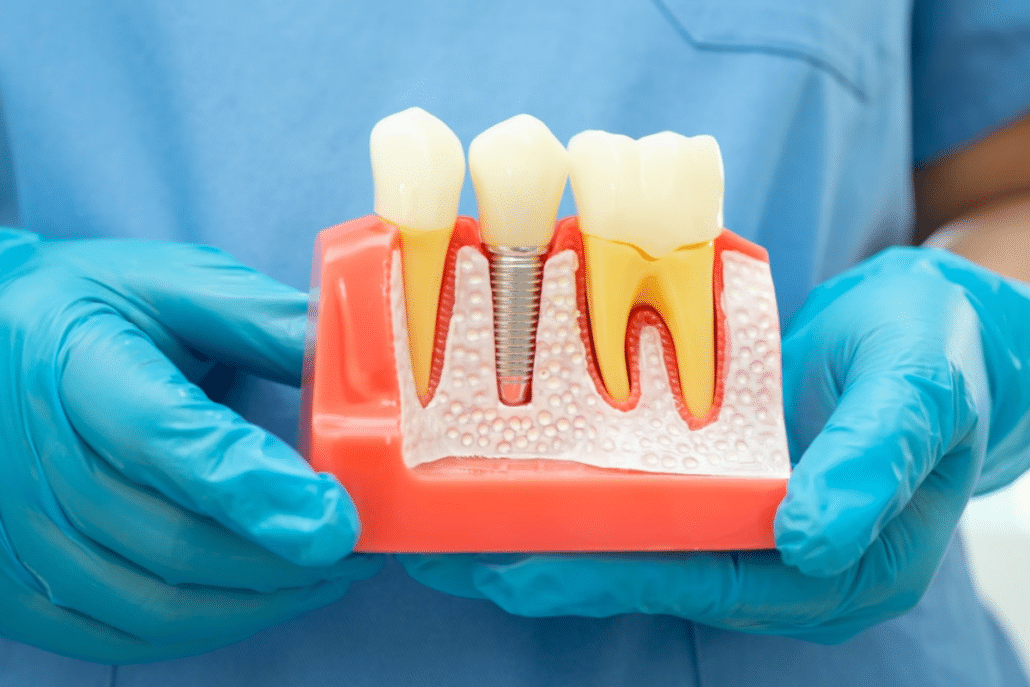
Can You Get a Dental Implant After a Root Canal?
A root canal is often the last resort to save a damaged or infected tooth. But what happens if the treated tooth eventually fails? Many people wonder whether they can get a dental implant after a root canal. The good news is that a dental implant is a great solution if a root canal-treated tooth is beyond saving.
If you are considering dental implants, here’s everything you need to know about the process, the ideal timeline, and what to expect.
How Do You Know When a Tooth Needs a Root Canal?
Recognizing the signs of a tooth infection can help prevent further complications. Here are some indicators that you may need a root canal:
- Severe tooth pain – Especially when chewing or applying pressure.
- Prolonged sensitivity – Pain when consuming hot or cold foods that lingers.
- Swollen or tender gums – Indicating an underlying infection.
- Darkening of the tooth – A sign of internal decay or damage.
- Pimple on the gums – A persistent bump that may leak pus, indicating an abscess.
What Happens During a Root Canal?
A root canal is a dental procedure designed to save a severely decayed or infected tooth. Here’s what happens during the process:
- Numbing the Area – The dentist administers local anesthesia to ensure a pain-free procedure.
- Removing the Infected Pulp – The infected or damaged pulp inside the tooth is removed.
- Cleaning and Shaping the Canals – The root canals are cleaned and shaped to eliminate bacteria.
- Filling the Canals – A biocompatible material is used to fill the canals, preventing reinfection.
- Sealing and Restoring the Tooth – A crown or filling is placed to protect the tooth and restore function.
How Do Root Canals Fail?
Although root canals are highly successful, failure can occur in some cases. Here’s why:
- Incomplete Cleaning – If bacteria remain in the canals, reinfection can develop.
- Hidden Canals – Additional root canals may go undetected and untreated.
- Poor Seal or Filling – If the filling or crown is compromised, bacteria can re-enter.
- Tooth Fracture – A cracked tooth can allow bacteria to seep inside, leading to infection.
Why Might a Root Canal-Treated Tooth Need Replacement?
While root canals have a high success rate, some cases require further intervention. Here’s why a root canal-treated tooth might need replacement with a dental implant:
- Persistent Infection – Even after a root canal, bacteria may remain, leading to reinfection.
- Tooth Fracture – A tooth that has undergone a root canal becomes more brittle and prone to breaking.
- Failed Restoration – If a crown or filling fails, it can expose the tooth to further decay.
- Bone Loss Around the Tooth – In some cases, bone loss can weaken the tooth’s foundation, making extraction the best option.
When Can You Get a Dental Implant After a Root Canal?
If your root canal-treated tooth needs extraction, you may be eligible for a dental implant. However, timing plays a crucial role. Here are the common scenarios:
- Immediate Implant Placement – In some cases, an implant can be placed right after tooth extraction, preventing bone loss and reducing overall treatment time.
- Delayed Implant Placement – If there’s infection or bone loss, your dentist may recommend waiting a few months for the area to heal before placing the implant.
- Bone Grafting Before Implant Placement – If bone loss has occurred, a bone graft may be necessary to ensure there is enough support for the implant. This process can take several months before implant placement.
Benefits of Choosing a Dental Implant After a Root Canal
If a root canal-treated tooth fails, a dental implant offers several advantages over alternative treatments:
- Natural Look and Feel – Dental implants mimic the appearance and function of natural teeth.
- Prevention of Bone Loss – Implants stimulate the jawbone, preventing deterioration.
- Long-Term Durability – With proper care, implants can last a lifetime.
- No Impact on Adjacent Teeth – Unlike bridges, implants do not rely on neighboring teeth for support.
- Improved Oral Health – Eliminates the risk of recurrent infection that may occur with a compromised root canal-treated tooth.
What to Expect During the Dental Implant Process
If you are considering replacing your root canal-treated tooth with an implant, here’s what you can expect:
- Initial Consultation – Your dentist will assess your oral health, take X-rays, and determine if you need a bone graft.
- Tooth Extraction (if necessary) – If the root canal-treated tooth is still in place, it will be extracted.
- Healing Period – Your dentist may wait for the area to heal before placing the implant, depending on your oral condition.
- Implant Placement – A titanium post is surgically placed into the jawbone, acting as the tooth’s root.
- Osseointegration – The implant fuses with the jawbone over several months.
- Abutment and Crown Placement – Once healing is complete, a custom-made crown is attached to the implant for a natural look.
Is a Dental Implant the Right Choice for You?
If your root canal-treated tooth is failing or causing ongoing problems, a dental implant can be the best long-term solution. However, a proper evaluation by your dentist is essential to determine if you are a suitable candidate. Factors like bone density, gum health, and overall medical history play a role in deciding the best course of action.
If you’re considering dental implants in Las Cruces, consult with our trusted dental professional to discuss your options. A well-placed implant can restore your smile and provide lasting results, ensuring you enjoy optimal oral health for years to come.


