
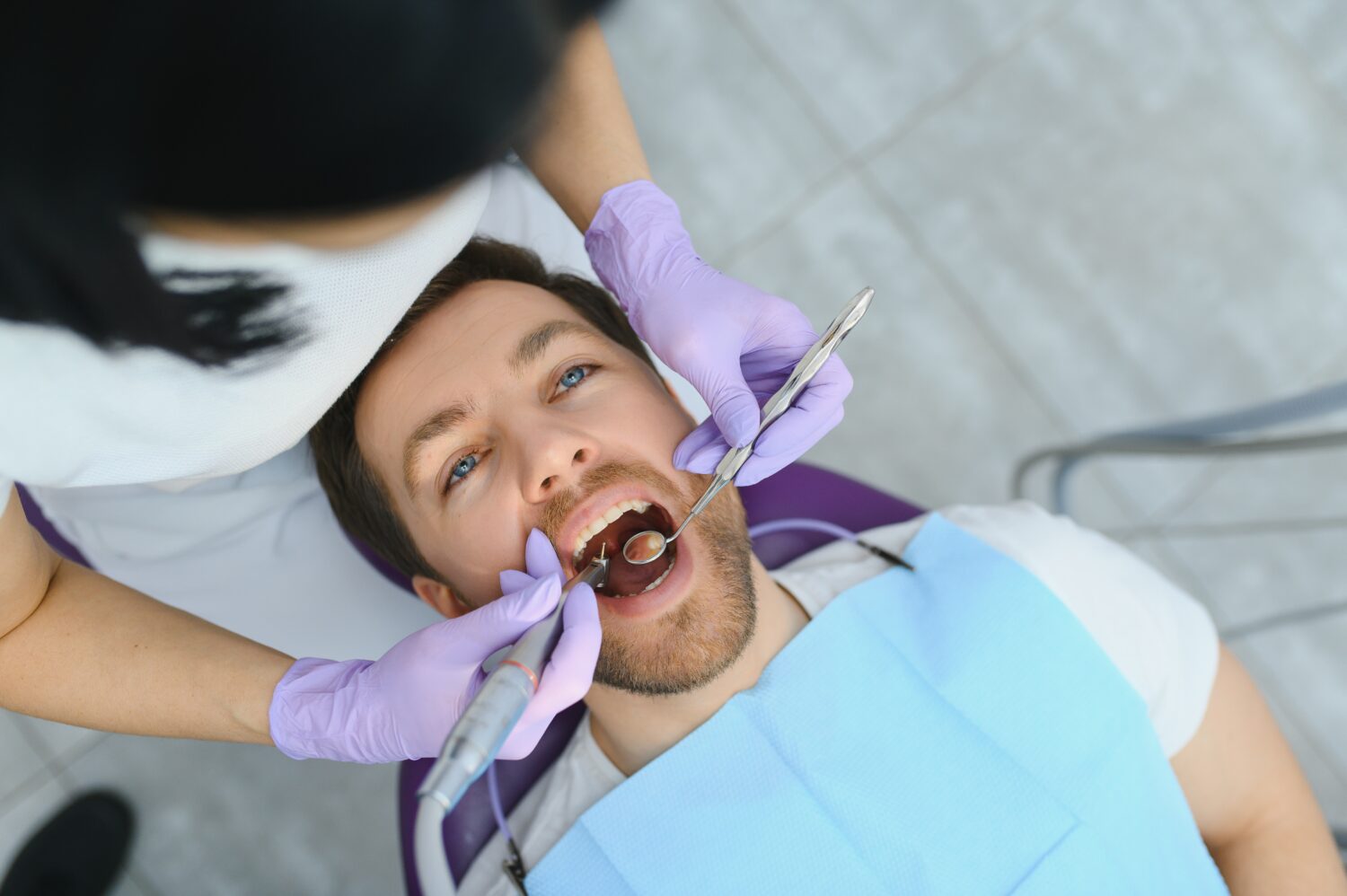
The Causes of Periodontal Disease Explained By Our Las Cruces Dentist
Gum health plays a vital role in maintaining a healthy smile, yet many people overlook early signs of gum disease until it becomes a serious concern. Periodontal disease, commonly known as gum disease, is one of the most prevalent oral health problems among adults. It begins subtly but can lead to severe complications, including tooth loss, if left untreated. Understanding what causes this condition is the first step in protecting your smile.
The Role of Bacteria in Gum Disease
The foundation of periodontal disease often lies in something as simple as bacteria. Our mouths naturally contain bacteria, but when combined with food particles and saliva, they form a sticky film known as plaque. If not removed through daily brushing and flossing, plaque hardens into tartar (also called calculus) beneath the gumline, irritating the gums and bone.
Once tartar develops, it becomes a breeding ground for more bacteria and toxins that trigger inflammation. Over time, this chronic inflammation damages the tissues supporting your teeth. What starts as mild gum redness or bleeding can quickly escalate into a deeper infection known as periodontitis.
Common Risk Factors Behind Periodontal Disease
While poor oral hygiene is the leading cause, several other factors can increase your risk of developing gum disease. A Las Cruces dentist will often evaluate your full oral and medical history to identify these risks early.
Some contributing factors include:
-
Smoking and tobacco use: These habits reduce blood flow to the gums, slowing healing and increasing the risk of infection.
-
Genetic predisposition: Some individuals are more prone to gum disease due to inherited traits.
-
Hormonal changes: Pregnancy, menopause, and hormonal fluctuations can make gums more sensitive and vulnerable.
-
Chronic health conditions: Diabetes, cardiovascular disease, and autoimmune disorders can worsen gum inflammation.
-
Medications: Certain prescriptions can cause dry mouth, reducing saliva and allowing bacteria to thrive.
-
Stress and diet: A weak immune system and poor nutrition can affect how your body fights bacterial infections.
Stages of Periodontal Disease
Gum disease progresses through stages, each with varying degrees of severity. Recognizing these stages can help ensure timely treatment.
-
Gingivitis: The earliest and mildest stage, characterized by gum swelling, redness, and bleeding during brushing or flossing. It’s reversible with good oral hygiene and professional cleanings.
-
Early Periodontitis: As plaque hardens into tartar, pockets begin forming between the teeth and gums. This stage requires dental intervention to prevent bone loss.
-
Advanced Periodontitis: The most severe stage, where the supporting bone and tissue are severely damaged, leading to loose teeth or even tooth loss if untreated.
At any stage, it’s crucial to seek professional evaluation. Early intervention not only saves your teeth but also protects your overall health, as periodontal disease has been linked to heart disease and diabetes.
Recognizing the Warning Signs
Many people don’t realize they have gum disease until it’s too late. Common symptoms include:
-
Persistent bad breath
-
Bleeding gums after brushing or flossing
-
Gum recession (teeth appearing longer)
-
Loose or shifting teeth
-
Swollen, tender gums
If you notice any of these warning signs, scheduling a dental checkup as soon as possible can help prevent permanent damage.
Prevention and Care for Healthy Gums
Preventing periodontal disease requires consistent oral hygiene and professional care. Simple steps can make a big difference:
-
Brush twice a day with fluoride toothpaste.
-
Floss daily to remove plaque from between teeth.
-
Rinse with an antimicrobial mouthwash.
-
Schedule regular dental cleanings and checkups.
-
Avoid smoking and maintain a balanced diet.
Professional cleanings are essential because only a dentist or hygienist can remove hardened tartar that brushing and flossing can’t eliminate.
Trust Your Smile to University Family Dental
Healthy gums are the foundation of a healthy mouth. With the right preventive care and timely intervention, periodontal disease can be managed effectively. At University Family Dental, our team is dedicated to helping patients understand the causes of gum disease and providing advanced treatments to restore oral health. With a personalized approach and compassionate care, we make it easier to keep your gums and teeth strong for years to come.


