The Causes of Periodontal Disease Explained By Our Las Cruces Dentist

Gum health plays a vital role in maintaining a healthy smile, yet many people overlook early signs of gum disease until it becomes a serious concern. Periodontal disease, commonly known as gum disease, is one of the most prevalent oral health problems among adults. It begins subtly but can lead to severe complications, including tooth loss, if left untreated. Understanding what causes this condition is the first step in protecting your smile.

The Role of Bacteria in Gum Disease

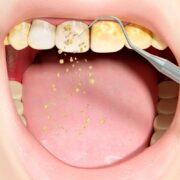
The foundation of periodontal disease often lies in something as simple as bacteria. Our mouths naturally contain bacteria, but when combined with food particles and saliva, they form a sticky film known as plaque. If not removed through daily brushing and flossing, plaque hardens into tartar (also called calculus) beneath the gumline, irritating the gums and bone.

Once tartar develops, it becomes a breeding ground for more bacteria and toxins that trigger inflammation. Over time, this chronic inflammation damages the tissues supporting your teeth. What starts as mild gum redness or bleeding can quickly escalate into a deeper infection known as periodontitis.

Common Risk Factors Behind Periodontal Disease

While poor oral hygiene is the leading cause, several other factors can increase your risk of developing gum disease. A Las Cruces dentist will often evaluate your full oral and medical history to identify these risks early.

Some contributing factors include:

  • Smoking and tobacco use: These habits reduce blood flow to the gums, slowing healing and increasing the risk of infection.

  • Genetic predisposition: Some individuals are more prone to gum disease due to inherited traits.

  • Hormonal changes: Pregnancy, menopause, and hormonal fluctuations can make gums more sensitive and vulnerable.

  • Chronic health conditions: Diabetes, cardiovascular disease, and autoimmune disorders can worsen gum inflammation.

  • Medications: Certain prescriptions can cause dry mouth, reducing saliva and allowing bacteria to thrive.

  • Stress and diet: A weak immune system and poor nutrition can affect how your body fights bacterial infections.

Stages of Periodontal Disease

Gum disease progresses through stages, each with varying degrees of severity. Recognizing these stages can help ensure timely treatment.

  1. Gingivitis: The earliest and mildest stage, characterized by gum swelling, redness, and bleeding during brushing or flossing. It’s reversible with good oral hygiene and professional cleanings.

  2. Early Periodontitis: As plaque hardens into tartar, pockets begin forming between the teeth and gums. This stage requires dental intervention to prevent bone loss.

  3. Advanced Periodontitis: The most severe stage, where the supporting bone and tissue are severely damaged, leading to loose teeth or even tooth loss if untreated.

At any stage, it’s crucial to seek professional evaluation. Early intervention not only saves your teeth but also protects your overall health, as periodontal disease has been linked to heart disease and diabetes.

Recognizing the Warning Signs

Many people don’t realize they have gum disease until it’s too late. Common symptoms include:

  • Persistent bad breath

  • Bleeding gums after brushing or flossing

  • Gum recession (teeth appearing longer)

  • Loose or shifting teeth

  • Swollen, tender gums

If you notice any of these warning signs, scheduling a dental checkup as soon as possible can help prevent permanent damage.

Prevention and Care for Healthy Gums

Preventing periodontal disease requires consistent oral hygiene and professional care. Simple steps can make a big difference:

  • Brush twice a day with fluoride toothpaste.

  • Floss daily to remove plaque from between teeth.

  • Rinse with an antimicrobial mouthwash.

  • Schedule regular dental cleanings and checkups.

  • Avoid smoking and maintain a balanced diet.

Professional cleanings are essential because only a dentist or hygienist can remove hardened tartar that brushing and flossing can’t eliminate.

Trust Your Smile to University Family Dental

Healthy gums are the foundation of a healthy mouth. With the right preventive care and timely intervention, periodontal disease can be managed effectively. At University Family Dental, our team is dedicated to helping patients understand the causes of gum disease and providing advanced treatments to restore oral health. With a personalized approach and compassionate care, we make it easier to keep your gums and teeth strong for years to come.

Periodontal Disease and Self-Confidence: A Silent Challenge for Young Adults

When most people think of periodontal disease, they often imagine it as a condition that affects older adults. However, gum disease is becoming increasingly common among people in their 20s and 30s. This silent condition not only affects oral health but also carries an emotional toll, particularly when it comes to self-confidence.

How Periodontal Disease Develops

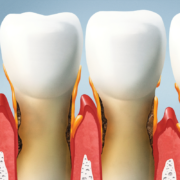
Periodontal disease typically begins with gingivitis, a mild stage that causes redness, swelling, and bleeding gums. Without proper care, it can progress to more advanced stages that affect the bone supporting the teeth. While genetics can play a role, lifestyle factors such as poor oral hygiene, stress, smoking, and diet are often at the root of the problem. For young adults balancing school, careers, and social lives, small habits like skipping flossing or over-relying on sugary drinks can lead to long-term consequences.

The Hidden Impact on Self-Confidence

Beyond the physical symptoms, periodontal disease has an often-overlooked psychological side. Young adults may notice persistent bad breath, gum recession, or visible inflammation that makes them hesitant to smile in public or post pictures online. In an age where social media and first impressions are highly influential, gum health issues can quietly chip away at self-esteem. The impact can stretch into professional settings as well, where confidence is essential during interviews, presentations, or networking opportunities.

Why Professional Help Matters

Many young adults attempt to mask the signs of gum disease with mints, mouthwash, or whitening products. While these may provide short-term relief, they do not address the underlying issue. This is where seeking professional guidance becomes critical. Visiting the dentist for an evaluation helps identify gum disease early and creates an opportunity for treatment before it progresses further. Regular cleanings and tailored care plans can significantly improve gum health, allowing individuals to regain their comfort and confidence.

Lifestyle Adjustments That Support Gum Health

Recovery and prevention require more than just treatment—it often involves lifestyle changes. Developing a consistent brushing and flossing routine, limiting sugary snacks and drinks, and managing stress are vital steps. For young adults who vape or smoke, quitting can dramatically reduce the risk of worsening periodontal issues. Staying proactive about your oral care not only preserves dental health but also helps rebuild the confidence lost to gum disease.

The Emotional Relief of Restoring a Smile

Once treated, many patients experience more than just healthier gums—they notice a shift in how they feel about themselves. Smiling without hesitation, speaking in close conversations without worrying about breathing, and feeling secure in social settings are significant emotional benefits. Periodontal care becomes about more than preventing tooth loss; it’s about restoring the self-assurance that every young adult deserves.

Finding the Right Support

Choosing a dental provider who understands both the clinical and emotional aspects of periodontal disease can make all the difference. Practices like University Family Dental offer not only treatment but also compassionate care that helps young adults feel supported on their journey toward healthier smiles and greater confidence.

The Hidden Dangers of Periodontal Disease and Effective Treatments

The Hidden Dangers of Periodontal Disease and Effective Treatments

Periodontal disease, often overshadowed by other dental issues, is a silent yet prevalent menace affecting millions. It begins subtly, often without noticeable symptoms, but can lead to severe oral health problems and systemic health issues if left unchecked. Understanding the dangers of this condition and exploring effective periodontal disease treatment is essential for maintaining overall health.

What Is Periodontal Disease?

Periodontal disease, also known as gum disease, occurs when bacteria in plaque build up on teeth and gums. If not properly managed, it can progress through various stages:

  • Gingivitis: The earliest stage, characterized by inflammation and bleeding of the gums, usually caused by poor oral hygiene. At this point, the disease is often reversible with proper care.
  • Periodontitis: If gingivitis is ignored, it can develop into periodontitis. This more severe form involves gum recession, pockets forming between teeth and gums, and potential tooth loss.

The Hidden Dangers of Periodontal Disease

Ignoring periodontal disease can lead to numerous health complications, including:

  • Tooth Loss: One of the most direct consequences of advanced periodontal disease is the loss of teeth due to the destruction of the supporting structures.
  • Systemic Health Issues: Research suggests a strong link between periodontal disease and various systemic conditions, such as:
    • Heart Disease: Inflammation caused by gum disease may increase the risk of heart disease and stroke.
    • Diabetes: Individuals with diabetes are more susceptible to infections, making them more vulnerable to periodontal disease.
    • Respiratory Issues: Bacteria from gum infections can enter the lungs, potentially leading to respiratory infections.
  • Pregnancy Complications: Pregnant women with untreated periodontal disease are at a higher risk for complications such as preterm birth and low birth weight.

Signs and Symptoms to Watch For

Being aware of the warning signs of periodontal disease is crucial. Common symptoms include:

  • Swollen or red gums
  • Gums that bleed when brushing or flossing
  • Persistent bad breath
  • Loose teeth
  • Changes in bite or alignment

If you notice any of these symptoms, it’s important to seek periodontal disease treatment promptly.

Comprehensive Periodontal Disease Treatment

Treating periodontal disease involves a combination of professional care and diligent home hygiene. Here’s what you can expect:

  • Professional Cleanings: Regular dental cleanings are essential. During these visits, your dentist will remove plaque and tartar buildup, helping to prevent the progression of gum disease.
  • Scaling and Root Planing: For more severe cases, a deep cleaning procedure called scaling and root planing may be necessary. This involves removing plaque and tartar from below the gum line and smoothing out rough spots on the roots of your teeth to promote gum reattachment.
  • Antibiotics: In some cases, your dentist may prescribe antibiotics to help control bacterial infection and reduce inflammation.
  • Surgical Options: If periodontal disease has caused significant damage, surgical interventions, such as flap surgery or bone grafts, may be needed to restore gum health and support.

At University Family Dental, we are committed to providing effective periodontal disease treatment in Las Cruces tailored to your needs. Our expert team will work with you to develop a comprehensive care plan that not only addresses your current condition but also promotes long-term gum health.

Prevention is Key

While treatment is essential for managing periodontal disease, prevention should be your first line of defense. Here are some effective strategies:

  • Maintain Good Oral Hygiene: Brush your teeth at least twice a day and floss daily to remove plaque. Using an antimicrobial mouthwash can also help reduce bacteria.
  • Regular Dental Visits: Schedule check-ups every six months for professional cleanings and exams. Early detection is crucial for effective treatment.
  • Healthy Diet: A balanced diet rich in vitamins and minerals can support gum health. Foods high in antioxidants, such as fruits and vegetables, can help combat inflammation.
  • Avoid Tobacco: Smoking and other tobacco products significantly increase the risk of gum disease. Quitting can dramatically improve your oral health.
  • Manage Health Conditions: If you have diabetes or other systemic conditions, managing these effectively can help reduce your risk of developing periodontal disease.

Prevention and Treatment of Periodontal Disease in Las Cruces

If you’re concerned about your gum health, don’t hesitate to reach out for help. At our dental practice, we prioritize your oral health and offer holistic periodontal disease treatment in Las Cruces. Our experienced team is dedicated to helping you maintain healthy gums and a beautiful smile. Periodontal disease is more than just a dental concern; it can impact your overall health.

Understanding the hidden dangers and taking proactive steps to treat and prevent gum disease is essential. With regular dental care, good oral hygiene, and a healthy lifestyle, you can protect yourself from the risks associated with periodontal disease. Don’t wait for symptoms to worsen; book an appointment to prioritize your gum health today!

Are Your Gums in Danger? Signs You Need Periodontal Disease Treatment in Las Cruces

Are Your Gums in Danger? Signs You Need Periodontal Disease Treatment

Maintaining healthy gums is just as important as keeping your teeth clean and strong. However, gum health is often overlooked until there’s a serious problem. Gum disease, also known as periodontal disease, can lead to tooth loss, pain, and other oral health issues if untreated. Fortunately, recognizing the symptoms early and seeking periodontal disease treatment can prevent irreversible damage.

At University Family Dental in Las Cruces, we emphasize the importance of gum health and offer expert treatment to address gum disease. Here’s a closer look at the warning signs of gum disease and what you should do if your gums are at risk.

Red, Swollen, or Bleeding Gums

One of the first signs of gum trouble is noticeable changes in their appearance or sensitivity. Healthy gums should be pink and firm. If your gums are red, swollen, or bleed when brushing or flossing, it may indicate a problem.

Some common causes of gum swelling and bleeding include:

  • Poor oral hygiene
  • Plaque buildup
  • Smoking
  • Hormonal changes
  • Certain medications

These symptoms often point to gingivitis, the early stage of gum disease. If left untreated, gingivitis can worsen into more severe forms of periodontal disease. Early intervention is key. At University Family Dental, we offer expert periodontal disease treatment in Las Cruces to help you address these issues effectively and prevent the disease from progressing.

Persistent Bad Breath or Unpleasant Taste

Bad breath, or halitosis, can be more than just embarrassing—it may signal an underlying gum issue. Persistent bad breath that doesn’t go away, even after brushing or using mouthwash, could indicate gum disease. This occurs when bacteria build up beneath the gumline, leading to infection and inflammation.

Watch for these signs:

  • Constant bad breath despite good oral care
  • A lingering bad taste in your mouth

If bad breath persists, it’s time to see a dentist. Gum disease treatment can improve oral health and eliminate this unpleasant symptom.

Receding Gums

As periodontal disease progresses, your gums may pull away from your teeth, exposing the roots and making your teeth appear longer. Gum recession exposes sensitive areas of your teeth, leading to increased sensitivity and a higher risk of infection.

Signs of gum recession include:

  • Visible tooth roots
  • Sensitivity to hot or cold foods
  • Gaps between teeth and gums

The gum recession should not be ignored. Early treatment options, such as deep cleaning or scaling and root planing, can prevent further gum loss. For more advanced cases, treatments like gum grafting may be necessary to restore your smile. If you notice receding gums, schedule an appointment for periodontal disease treatment before the damage worsens.

Loose or Shifting Teeth

In advanced stages of periodontal disease, the structures supporting your teeth, such as gums and bone, can be severely damaged. As a result, teeth may become loose or shift, affecting your bite and increasing the risk of tooth loss.

Key indicators of advanced gum disease include:

  • Loose or shifting teeth
  • Changes in your bite
  • Pain while chewing

If you experience loose teeth, it’s crucial to seek professional care immediately. Gum disease treatments can help stabilize your teeth and prevent further damage.

Sensitive or Painful Gums

Pain or sensitivity in your gums can be a sign of periodontal disease. This discomfort may occur while eating or drinking or as a general sensitivity throughout your gums.

Watch for:

  • Pain when eating hot, cold, or spicy foods
  • General tenderness in your gums

If you experience gum sensitivity, don’t wait. Seeking early treatment can stop the infection from spreading, reduce pain, and protect your oral health.

How to Prevent Periodontal Disease

Gum disease is largely preventable through good oral care habits and regular dental visits. By taking these proactive steps, you can avoid the need for extensive treatments:

  • Brush twice a day with fluoride toothpaste, focusing on the gumline.
  • Floss daily to remove plaque and food particles from between teeth.
  • Visit your dentist regularly for cleanings and checkups to catch problems early.
  • Maintain a balanced diet to support gum and tooth health.
  • Quit smoking, as it significantly increases the risk of gum disease.

If you notice signs of gum disease, it’s vital to seek treatment right away. Early intervention can prevent further damage and protect your smile.

Protect Your Smile with Periodontal Disease Treatment in Las Cruces

Gum disease can have serious consequences for your oral health if ignored. At our dental practice in Las Cruces, we provide periodontal disease treatment in Las Cruces to help you maintain healthy gums and prevent further complications. Whether you’re experiencing early signs or more advanced symptoms, our dedicated team is ready to provide the care you need.

Take control of your oral health by scheduling an appointment today. Serving patients in Las Cruces and the nearby areas, we are here to ensure your smile stays bright and healthy. Don’t wait until it’s too late—your smile depends on it!

Periodontal Disease Treatment Las Cruces

Early Signs of Periodontal Disease and Effective Treatments for Healthier Gums

Periodontal disease, commonly known as gum disease, is a serious condition that affects the tissues surrounding and supporting the teeth. It is primarily caused by the buildup of plaque—a sticky film of bacteria that forms on teeth. If left untreated, periodontal disease can lead to tooth loss and other health complications. Recognizing the early signs of periodontal disease and understanding the effective treatments available are crucial steps in maintaining oral health.

Early Signs of Periodontal Disease

  1. Bleeding Gums: One of the earliest and most common signs of periodontal disease is bleeding gums. This often occurs during brushing or flossing. While occasional bleeding can be normal, persistent bleeding is a red flag indicating inflammation and potential infection in the gums.
  2. Swollen or Puffy Gums: Healthy gums are firm and pale pink. If your gums appear swollen, puffy, or darker in color, this could be an indication of periodontal disease. Swelling is a response to the infection and inflammation caused by bacterial buildup.
  3. Bad Breath: Chronic bad breath, also known as halitosis, can be an early sign of gum disease. The bacteria that accumulate in the mouth produce toxins that cause unpleasant odors. If regular brushing and mouthwash do not alleviate bad breath, it’s essential to consult a dental professional.
  4. Receding Gums: When gums start to pull away from the teeth, it can create pockets where bacteria can thrive. This recession not only exposes more of the tooth but can also lead to increased sensitivity and further infection.
  5. Tender Gums: Gums that are tender to the touch or painful when eating certain foods may be experiencing the early stages of periodontal disease. This tenderness is often a result of inflammation and infection.
  6. Changes in Bite: As periodontal disease progresses, it can affect the alignment of your teeth. If you notice changes in the way your teeth fit together when you bite or chew, it could be a sign of underlying gum issues.

Effective Treatments for Healthier Gums

Addressing periodontal disease early can prevent further complications and restore gum health. Here are some effective treatments to consider:

  1. Professional Dental Cleaning: The first line of defense against periodontal disease is a professional dental cleaning. During this procedure, a dental hygienist removes plaque and tartar buildup that cannot be eliminated through regular brushing and flossing. This helps reduce the bacterial load in the mouth and prevent further gum irritation.
  2. Scaling and Root Planing: For more advanced cases of periodontal disease, scaling and root planing may be necessary. This deep-cleaning procedure involves removing plaque and tartar from above and below the gumline, followed by smoothing the root surfaces to discourage further bacterial growth. This treatment helps the gums reattach to the teeth and reduces pocket depths.
  3. Antibiotic Therapy: In some instances, antibiotics may be prescribed to control bacterial infection. These can be in the form of topical gels, mouth rinses, or oral medications. Antibiotics are often used in conjunction with other treatments to enhance their effectiveness.
  4. Surgical Treatments: In severe cases of periodontal disease, surgical interventions may be required. Procedures such as flap surgery, bone grafts, and soft tissue grafts aim to reduce pocket depths, regenerate lost bone and tissue, and improve the overall health and appearance of the gums.
  5. Laser Therapy: Laser therapy is an innovative treatment option that uses focused light energy to remove infected tissue and bacteria from the gum pockets. This minimally invasive procedure can reduce discomfort and promote faster healing compared to traditional surgical methods.
  6. Ongoing Maintenance: Maintaining healthy gums requires ongoing care. Regular dental check-ups and cleanings are essential to monitor gum health and prevent the recurrence of periodontal disease. Additionally, good oral hygiene practices, such as brushing twice a day, flossing daily, and using an antimicrobial mouthwash, are vital for keeping gums healthy.

The Role of Lifestyle Changes

In addition to professional treatments, certain lifestyle changes can significantly improve gum health and reduce the risk of periodontal disease. These include:

  1. Quit Smoking: Smoking is a major risk factor for periodontal disease. It impairs blood flow to the gums, making it harder for the body to fight off infection. Quitting smoking can vastly improve gum health and overall oral hygiene.
  2. Healthy Diet: A balanced diet rich in vitamins and minerals supports immune function and helps maintain healthy gums. Foods high in vitamin C, such as citrus fruits and leafy greens, are particularly beneficial for gum health.
  3. Stress Management: Chronic stress can weaken the immune system and increase the risk of gum disease. Practicing stress-reducing activities, such as exercise, meditation, and adequate sleep, can contribute to better gum health.

At University Family Dental, we understand the importance of early detection and effective treatment of periodontal disease. By recognizing the early signs and seeking prompt treatment, you can maintain healthier gums and a brighter smile. Prioritize your oral health and take proactive steps to prevent and treat periodontal disease for a lifetime of healthy gums.