The Hidden Dangers of Periodontal Disease and Effective Treatments
Periodontal disease, often overshadowed by other dental issues, is a silent yet prevalent menace affecting millions. It begins subtly, often without noticeable symptoms, but can lead to severe oral health problems and systemic health issues if left unchecked. Understanding the dangers of this condition and exploring effective periodontal disease treatment is essential for maintaining overall health.
What Is Periodontal Disease?
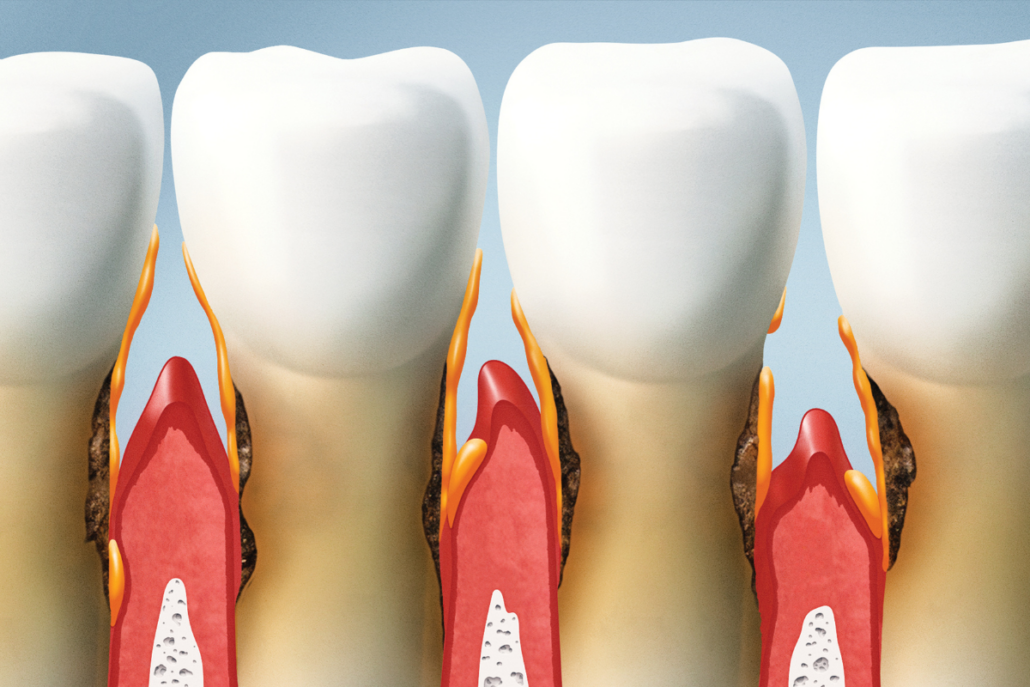
Periodontal disease, also known as gum disease, occurs when bacteria in plaque build up on teeth and gums. If not properly managed, it can progress through various stages:
- Gingivitis: The earliest stage, characterized by inflammation and bleeding of the gums, usually caused by poor oral hygiene. At this point, the disease is often reversible with proper care.
- Periodontitis: If gingivitis is ignored, it can develop into periodontitis. This more severe form involves gum recession, pockets forming between teeth and gums, and potential tooth loss.
The Hidden Dangers of Periodontal Disease
Ignoring periodontal disease can lead to numerous health complications, including:
- Tooth Loss: One of the most direct consequences of advanced periodontal disease is the loss of teeth due to the destruction of the supporting structures.
- Systemic Health Issues: Research suggests a strong link between periodontal disease and various systemic conditions, such as:
- Heart Disease: Inflammation caused by gum disease may increase the risk of heart disease and stroke.
- Diabetes: Individuals with diabetes are more susceptible to infections, making them more vulnerable to periodontal disease.
- Respiratory Issues: Bacteria from gum infections can enter the lungs, potentially leading to respiratory infections.
- Pregnancy Complications: Pregnant women with untreated periodontal disease are at a higher risk for complications such as preterm birth and low birth weight.
Signs and Symptoms to Watch For
Being aware of the warning signs of periodontal disease is crucial. Common symptoms include:
- Swollen or red gums
- Gums that bleed when brushing or flossing
- Persistent bad breath
- Loose teeth
- Changes in bite or alignment
If you notice any of these symptoms, it’s important to seek periodontal disease treatment promptly.
Comprehensive Periodontal Disease Treatment
Treating periodontal disease involves a combination of professional care and diligent home hygiene. Here’s what you can expect:
- Professional Cleanings: Regular dental cleanings are essential. During these visits, your dentist will remove plaque and tartar buildup, helping to prevent the progression of gum disease.
- Scaling and Root Planing: For more severe cases, a deep cleaning procedure called scaling and root planing may be necessary. This involves removing plaque and tartar from below the gum line and smoothing out rough spots on the roots of your teeth to promote gum reattachment.
- Antibiotics: In some cases, your dentist may prescribe antibiotics to help control bacterial infection and reduce inflammation.
- Surgical Options: If periodontal disease has caused significant damage, surgical interventions, such as flap surgery or bone grafts, may be needed to restore gum health and support.
Prevention is Key
While treatment is essential for managing periodontal disease, prevention should be your first line of defense. Here are some effective strategies:
- Maintain Good Oral Hygiene: Brush your teeth at least twice a day and floss daily to remove plaque. Using an antimicrobial mouthwash can also help reduce bacteria.
- Regular Dental Visits: Schedule check-ups every six months for professional cleanings and exams. Early detection is crucial for effective treatment.
- Healthy Diet: A balanced diet rich in vitamins and minerals can support gum health. Foods high in antioxidants, such as fruits and vegetables, can help combat inflammation.
- Avoid Tobacco: Smoking and other tobacco products significantly increase the risk of gum disease. Quitting can dramatically improve your oral health.
- Manage Health Conditions: If you have diabetes or other systemic conditions, managing these effectively can help reduce your risk of developing periodontal disease.