How Poor Oral Hygiene Can Shorten the Lifespan of Dental Implants
Dental implants are designed to be a long-term solution for missing teeth, but their success isn’t guaranteed just because the procedure is complete. What many patients don’t realize is that daily habits after placement play a major role in how long implants last. In a community like Las Cruces, where busy work schedules, outdoor lifestyles, and desert conditions can impact oral health, maintaining strong hygiene routines becomes even more important.
An implant doesn’t decay like a natural tooth, but the gums and bone around it are very much alive. When oral hygiene slips, harmful bacteria can build up around the implant, leading to inflammation, infection, and even bone loss. Over time, this can weaken the foundation that supports the implant, shortening its lifespan and putting your investment at risk.
For patients considering or already living with dental implants in Las Cruces, understanding how oral hygiene affects long-term success can help protect both your smile and your health.
Why Dental Implants Still Need Daily Care
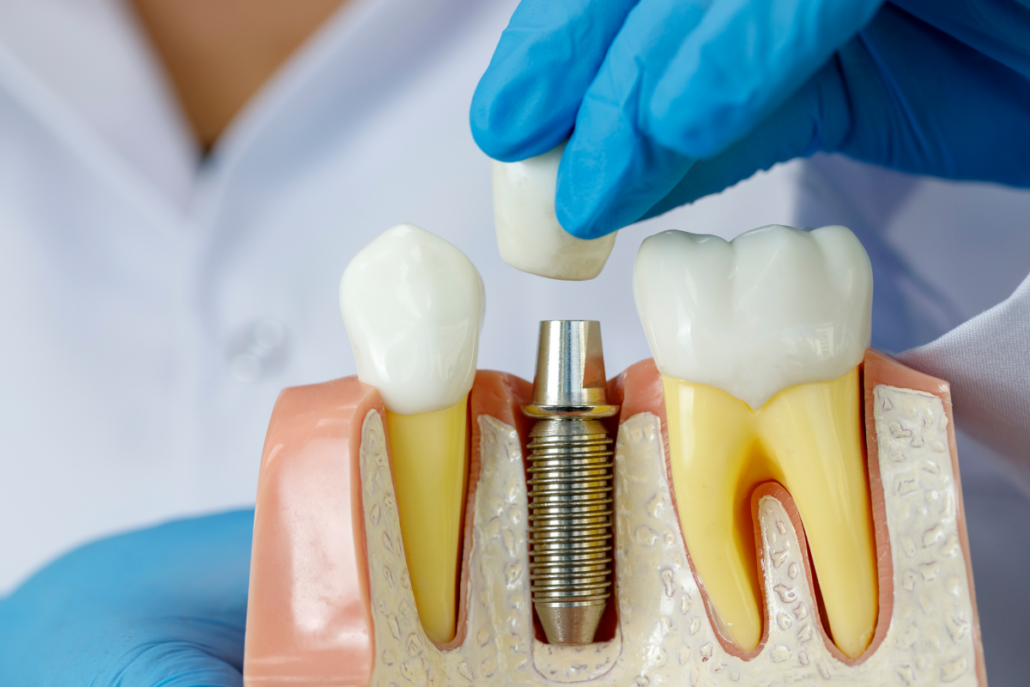
A common misconception is that implants are “maintenance-free.” While the implant itself is made of durable materials like titanium, it relies on healthy gums and bone to stay secure. Poor oral hygiene allows plaque to accumulate around the implant crown and gumline, creating the perfect environment for bacteria.
If left unchecked, this bacterial buildup can cause peri-implant disease, a condition similar to gum disease that affects the tissue surrounding implants. This condition often develops silently, with mild symptoms that are easy to ignore until significant damage has occurred.
How Poor Oral Hygiene Impacts Implant Longevity
Neglecting daily care doesn’t cause immediate failure, but the damage adds up over time. Here’s how poor hygiene shortens the lifespan of implants:
-
Plaque accumulation irritates gum tissue, leading to inflammation and bleeding
-
Bacteria can spread beneath the gumline, weakening bone support
-
Chronic inflammation reduces the blood flow needed for tissue health
-
Infection around the implant can cause gradual loosening
-
Untreated issues may eventually require implant removal
In Las Cruces, dry air and seasonal allergies can also contribute to dry mouth, which reduces saliva’s natural ability to wash away bacteria. This makes consistent hygiene even more essential for implant patients in this area.
Local Lifestyle Factors That Matter in Las Cruces
Life in Las Cruces comes with unique habits that can unintentionally affect oral health. Many residents enjoy outdoor work, farming, hiking, or sports, which can lead to dehydration. Less hydration often means reduced saliva production, allowing bacteria to thrive.
Additionally, popular local foods—especially spicy dishes and frequent coffee consumption—can contribute to plaque buildup when brushing and flossing are inconsistent. Long commutes, shift work, or caregiving responsibilities can also cause patients to rush through oral care routines or skip them altogether.
Being aware of these local factors helps patients make smarter choices that protect their implants long-term.
Simple Daily Habits That Protect Your Investment
The good news is that implant maintenance doesn’t require complicated routines—just consistency and proper technique. Small daily habits make a big difference over time.
Key practices include:
-
Brushing twice daily using a soft-bristle toothbrush
-
Floss carefully around the implant crown and gumline
-
Use antimicrobial mouth rinses if recommended
-
Staying hydrated throughout the day
-
Avoiding tobacco products that slow gum healing
Routine dental visits are just as important. Professional cleanings allow your dentist to detect early signs of inflammation before they turn into serious problems. Patients who schedule regular checkups often enjoy stronger, longer-lasting implant results.
Warning Signs You Shouldn’t Ignore
One challenge with implant-related infections is that symptoms often start mild. Many patients dismiss early signs, assuming discomfort is temporary. Paying attention to changes can help prevent permanent damage.
Contact your dentist if you notice:
-
Bleeding or swelling around the implant
-
Persistent bad breath or unpleasant taste
-
Gum tenderness that doesn’t improve
-
Sensitivity or pressure near the implant area
Addressing these symptoms early can help preserve the implant and avoid more invasive treatments.
Why Professional Care Makes a Difference
While home care is essential, professional monitoring ensures implants remain stable and healthy. A dentist experienced with dental implants Las Cruces understands how local lifestyle factors, bone density, and gum health influence long-term outcomes.
Professional evaluations allow for early intervention, customized hygiene recommendations, and adjustments that keep implants functioning as intended. Patients who stay proactive often enjoy decades of confident, comfortable smiles.
Frequently Asked Questions
Can dental implants fail because of poor oral hygiene?
Yes. While implants are durable, infections around the gums and bone can weaken the support and eventually cause failure if hygiene is neglected.
Do implants need more care than natural teeth?
Implants require the same level of care, but precision matters more because gum infections can progress without obvious pain.
How often should implant patients schedule dental visits?
Most patients benefit from checkups every six months, though some may need more frequent visits depending on gum health.
Does dry mouth affect implant health?
Absolutely. Reduced saliva allows bacteria to grow faster, increasing infection risk around implants.
Is professional cleaning safe for implants?
Yes. Professional cleanings are essential and use tools designed to protect implant surfaces.