Sleep Apnea: What It Is and Why It Matters
Sleep apnea is a disorder that causes pauses in breathing during sleep. The term “apnea” derives from the Greek word for “without air.” Sleep apnea occurs when you stop breathing during sleep. This occurs either due to obstruction of your airway (obstructive sleep apnea) or because your brain is unable to manage your breathing adequately (central apnea).
The resultant shortage of oxygen triggers a survival reaction that briefly awakens you to begin breathing. This response keeps you alive, but it disrupts your sleep pattern. This impairs restful sleep and has other negative effects, including stressing the heart, which can have potentially fatal implications.
Who is at Risk For Sleep Apnea?
Sleep apnea can affect people of any age, from newborns and toddlers to older individuals and even senior citizens. The following categories of persons and situations are more likely to be affected by obstructive sleep apnea:
- males under 50 years of age
- men and women over 50 years of age
- being overweight or obese
- being of certain ethnicities
- taking opioids
- having certain heart conditions such as atrial fibrillation or congestive heart failure
- living at high altitudes
- and more
Note that just because you aren’t in any of the categories listed above, doesn’t mean you can’t get sleep apnea. Only your medical care provider can make a firm diagnosis of sleep apnea. Talk to your Las Cruces, NM dentist to learn more. However, there are some signs and symptoms of sleep apnea that you can be aware of.
Signs and Symptoms of Sleep Apnea
Lingering fatigue or tiredness after waking up – Sleep apnea patients may feel exhausted even after a full night of sleep.
Daytime drowsiness – In more extreme instances, this may make you drowsy when working, driving, or engaging in other tasks.
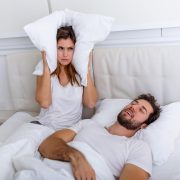
Snoring – Although it doesn’t always happen, this is a common symptom of sleep apnea. Sleep apnea can sometimes exist without any snoring at all.
Moodiness – Anxiety and depression are frequent signs of sleep apnea.
Brain function disruption – This includes problems with memory, concentration, or other brain-related problems.
Frequently waking up at night – Due to the fact that most individuals have trouble remembering when or why they wake up, this symptom may be more difficult to detect. Individuals who do this frequently recall waking up for a different cause, such as indigestion or the need to use the restroom.
Pauses in breathing – If you sleep with a partner, they are likely to notice that you stop breathing for increments of time.
Unusual breathing – The characteristic breathing pattern known as Cheyne-Stokes breathing (CSB) can be a symptom of central sleep apnea. Breathing is quick during CSB and becomes shallower until becoming completely nonexistent. A person will stop breathing for a few seconds before beginning again and repeating the process.
Insomnia – Having difficulty falling asleep is a common symptom of sleep apnea.
Suddenly waking up like you’re choking – If you startle awake feeling like you can’t breathe or you’re choking, this could be symptomatic of sleep apnea.
Dangers of Sleep Apnea
Sleep apnea is directly linked to dangerous conditions such as high blood pressure, heart disease, stroke and diabetes. It’s important to get sleep apnea treated, and also to address any underlying conditions that may be causing sleep apnea.
Your dentist in Las Cruces, NM has a variety of treatment options for sleep apnea. Contact us today to book your appointment.