how to know veneers are right for you

How Do You Know If Veneers Are Right for Your Smile?

Veneers can change the appearance of a smile by addressing concerns such as discoloration, chips, uneven tooth shapes, and certain spacing issues. But that does not mean veneers are the right choice for everyone. The best cosmetic treatment depends on the condition of your teeth, your oral health, and what you want to improve.

If you are considering veneers, understanding when they may be appropriate can help you have a more productive conversation with your dentist. A consultation allows your smile to be evaluated before deciding whether veneers or another treatment would better match your goals.

What Are Dental Veneers?

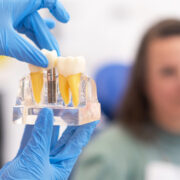
Dental veneers are thin coverings placed over the front surfaces of teeth to improve their appearance. At University Family Dental, porcelain is used for veneers because of its natural appearance, durability, and resistance to staining.

Veneers can be customized to fit the shape, size, and color of your smile. They may be considered when a patient wants to improve several cosmetic concerns at once rather than addressing each issue separately.

What Smile Concerns Can Veneers Address?

Veneers may be an option for certain cosmetic imperfections that affect the appearance of your smile. Your dentist will need to evaluate your teeth first to determine whether they are appropriate.

Common concerns that may be addressed include:

  • Persistent discoloration
  • Minor chips or worn edges
  • Irregular tooth shapes
  • Certain small gaps
  • Mild cosmetic imperfections

Veneers are primarily a cosmetic treatment, so they are not intended to replace treatments needed for significant decay, infection, or severely weakened teeth.

Do You Need Healthy Teeth Before Getting Veneers?

Good oral health is an important consideration before cosmetic treatment. Cavities, gum disease, or other dental problems may need to be addressed before veneers are placed.

Your dentist can examine your teeth and gums to determine whether your mouth is ready for cosmetic treatment. Addressing existing dental concerns first can help create a healthier foundation for your smile.

This evaluation is especially useful if you have not had a dental examination recently or have concerns about sensitivity, bleeding gums, or damaged teeth.

Are Veneers the Best Option for Everyone?

Not necessarily. The right treatment depends on the problem you want to correct and how much change is needed.

For example, professional whitening may be more appropriate if discoloration is your primary concern and your teeth are otherwise healthy. Dental bonding may be a more conservative option for certain minor chips or gaps. Invisalign® may be considered when tooth alignment is the main concern.

A cosmetic consultation can help compare these possibilities rather than assuming veneers are automatically the best solution.

How Does Your Smile Influence Veneer Planning?

A natural-looking result requires more than selecting a shade of porcelain. Your dentist may consider the shape and proportions of your teeth, your facial features, and how your lips move when you speak and smile.

University Family Dental’s existing veneer approach specifically emphasizes customization around facial shape and lip movement rather than using a one-size-fits-all design.

This type of planning can help the finished smile feel more consistent with your natural appearance.

What Should You Discuss During a Consultation?

A veneer consultation is an opportunity to explain what you like and dislike about your current smile. You can also ask questions about the treatment process, expected appearance, maintenance, and alternatives.

It may be helpful to discuss:

  • Which teeth you want to change
  • Whether you prefer subtle or noticeable improvements
  • Your concerns about tooth color or shape
  • How many teeth may need treatment
  • Whether another cosmetic option could be more appropriate

Your dentist can then evaluate your smile and explain what may realistically be achieved.

What Can You Expect From Veneers?

The process generally begins with an examination and treatment planning. At University Family Dental, the veneer process includes an initial visit for examination and tooth preparation, followed by placement after the veneers have been created.

The exact process can vary depending on your individual treatment plan. Your dentist can explain how much preparation may be needed and what you can expect during each stage.

How Can You Maintain Your Veneers?

Veneers still require regular oral care. Although porcelain veneers are resistant to staining, they can be affected by excessive force or poor oral hygiene.

Continue brushing and cleaning between your teeth as recommended by your dental team. Regular dental visits also allow your dentist to monitor your veneers, natural teeth, and gums.

It is also wise to avoid habits that can damage veneers, such as biting directly into very hard objects or using your teeth to open packages.

Are Veneers a Long-Term Cosmetic Option?

Veneers are designed to be a long-lasting cosmetic solution, but they are not considered permanent. University Family Dental notes that porcelain veneers can last around 10 to 15 years or longer with proper care before replacement may be necessary.

Their lifespan can depend on factors such as oral hygiene, bite forces, daily habits, and the condition of the supporting teeth.

Is It Time to Explore Your Options?

Veneers can be an effective way to improve specific cosmetic concerns, but choosing them should begin with an evaluation rather than a predetermined treatment. Your oral health, smile goals, tooth condition, and desired level of change all play a role in determining which option may suit you best. If you are considering veneers in Las Cruces, an individualized evaluation can help you understand what to expect and which cosmetic treatments may align with your goals.

Take the Next Step

If you’re exploring ways to improve the appearance of your smile, University Family Dental can help you understand your options and determine the next steps based on your individual needs. Contact us to learn more about veneers and other cosmetic treatment options.

Frequently Asked Questions

1. How do I know if I am a good candidate for veneers?

Your dentist can evaluate your teeth, gums, bite, and cosmetic concerns to determine whether veneers are appropriate for you.

2. Can veneers fix crooked teeth?

Veneers may improve the appearance of mildly crooked teeth in certain cases. More significant alignment or bite concerns may require orthodontic treatment instead.

3. Can veneers fix gaps between teeth?

Veneers may be suitable for certain small gaps, depending on their size and cause. Bonding or orthodontic treatment may be alternatives in other cases.

4. Can veneers be whitened later?

No. Traditional whitening treatments do not change the color of porcelain veneers. Your veneer shade should therefore be discussed before treatment.

5. How long can porcelain veneers last?

With proper care, porcelain veneers may last approximately 10 to 15 years or longer, although individual results vary.

Dental Problems

What Are the Warning Signs of a Dental Problem You May Not Notice?

Not every dental problem causes obvious pain. Some changes can develop slowly and may be easy to overlook during your daily routine. A small change in your teeth, gums, or bite may seem harmless at first, but it can sometimes indicate a concern that needs professional attention.

If you live in Las Cruces, recognizing the less obvious signs of dental problems can help you take action before they become more difficult to manage. University Family Dental provides preventive and general dental care to help maintain your oral health and address concerns as they arise.

Changes in Tooth Sensitivity

Occasional sensitivity does not always mean something is seriously wrong, but repeated sensitivity can be worth discussing with a dental professional. You may notice discomfort when eating or drinking something hot, cold, sweet, or acidic.

Sensitivity can have several causes, including worn enamel, gum recession, cavities, or other dental concerns. Paying attention to when the sensitivity occurs and how long it lasts can provide useful information during an evaluation.

Bleeding Gums

A small amount of blood when brushing or flossing is easy to dismiss. However, gums that regularly bleed may be showing signs of inflammation.

Healthy gums generally should not bleed consistently during normal brushing and flossing. Persistent bleeding, redness, swelling, or tenderness can be associated with gum disease and should not be ignored.

Regular cleanings and good daily oral hygiene can help support healthier gums.

Persistent Bad Breath

Bad breath can happen after eating certain foods or waking up in the morning. However, persistent bad breath that continues despite regular brushing and flossing may have an underlying cause.

Bacteria, gum problems, cavities, dry mouth, and other conditions can contribute to ongoing bad breath. Identifying the cause is more helpful than simply trying to cover the odor with mints or mouthwash.

Food Frequently Getting Stuck

If food repeatedly gets trapped between the same teeth, there may be a change in the space or shape of those teeth. A cavity, damaged filling, gum changes, or shifting teeth can sometimes create areas where food becomes trapped.

You may not experience pain, but repeated food impaction can make cleaning difficult and may contribute to gum irritation.

If the same area continues to cause problems, a dentist can examine the teeth and surrounding tissues to determine what may be causing the issue.

Small Changes in Your Bite

Your bite can change gradually, making the difference difficult to notice. You might find that your teeth no longer come together in the same way, one tooth feels higher than the others, or your bite feels different when chewing.

Changes in tooth position, dental restorations, tooth wear, or other factors can affect how your teeth meet. A noticeable change in your bite is worth mentioning during a dental visit.

Rough or Sharp Areas on a Tooth

Your tongue may sometimes reveal a rough or sharp area that you did not notice visually.

A rough edge could result from a small chip, worn enamel, a damaged filling, or another change in the tooth. Even if it does not hurt, it can become irritating or worsen if left unaddressed.

A dental evaluation can determine whether the area needs smoothing, restoration, or monitoring.

Teeth That Look Different

Changes in tooth color or appearance can happen gradually. One tooth may become darker, develop a visible spot, or look different from the teeth around it.

Some changes are caused by surface staining, while others may be related to decay, trauma, or previous dental work. If you notice an unexplained change in appearance, it is worth having it evaluated.

Jaw Tension or Signs of Grinding

Jaw tension or frequent headaches can sometimes be associated with clenching or grinding your teeth. You may not realize you are doing it, particularly while sleeping.

Over time, grinding can contribute to tooth wear, sensitivity, chips, and jaw discomfort. If you regularly wake up with jaw soreness or notice worn tooth surfaces, discuss these symptoms with a dental professional.

Changes in Your Gums

Your gums can provide important clues about your oral health. In addition to bleeding, pay attention to gums that appear swollen, red, tender, or pulled away from the teeth.

Gum recession can make teeth appear longer and may expose sensitive areas near the roots. Early attention can help identify the cause and determine appropriate care.

When to Schedule a Dental Visit

Some dental concerns are easy to overlook because they do not cause significant discomfort. Consider scheduling an appointment if you notice:

  • Persistent tooth sensitivity
  • Regular gum bleeding
  • Ongoing bad breath
  • Changes in your bite
  • Repeated food getting stuck
  • A rough or sharp tooth surface
  • Unexplained tooth discoloration
  • Swollen or receding gums
  • Jaw discomfort or signs of grinding

Severe pain, significant swelling, uncontrolled bleeding, or difficulty breathing or swallowing requires prompt attention.

Preventive Dental Care in Las Cruces

You do not need to wait until a dental problem becomes painful before seeking care. Routine dental examinations and professional cleanings can help identify changes that may be difficult to notice at home.

For patients looking for a dentist Las Cruces, University Family Dental offers preventive and general dental services focused on maintaining oral health and addressing concerns as they arise.

Take Action When You Notice a Change

Small changes in your teeth or gums can be easy to ignore, particularly when they do not cause pain. Recognizing these warning signs and discussing them with a dental professional can help you stay ahead of potential problems.

If you have noticed a change in your teeth, gums, bite, or overall oral health, contact our team today to schedule an appointment and take the next step toward maintaining a healthy smile.

Frequently Asked Questions

1. Can I have a dental problem without having tooth pain?

Yes. Some dental problems, including early cavities and gum concerns, may not cause noticeable pain. Regular dental visits can help identify issues before symptoms become more noticeable.

2. Is occasional gum bleeding normal?

Occasional bleeding can happen, but gums that regularly bleed during brushing or flossing may indicate inflammation or another concern. Persistent bleeding is worth discussing with a dental professional.

3. Why does food keep getting stuck between the same teeth?

Food may repeatedly become trapped because of changes in tooth position, a cavity, a damaged restoration, or the shape of the space between teeth. An examination can help determine the cause.

4. Should I see a dentist if my bite suddenly feels different?

Yes. A change in how your teeth come together can have several causes. A dentist can examine your teeth and bite to determine what may be contributing to the change.

5. Can bad breath be a sign of a dental problem?

Persistent bad breath can sometimes be associated with gum problems, cavities, bacteria, dry mouth, or other oral health concerns. Finding the underlying cause is important.

6. How often should I have my teeth checked?

The recommended schedule depends on your oral health and individual needs. Regular examinations allow a dental professional to monitor changes and address potential problems before they become more serious.

Happy patient in teal bib at Las Cruces dental office showing improved smile results.

How Can You Improve Your Smile Without Making Major Changes to Your Teeth?

A beautiful smile does not always require major dental procedures. If you are concerned about stained teeth, small chips, uneven edges, or minor gaps, there may be simple ways to enhance your smile while keeping your natural teeth largely unchanged. Depending on your specific needs, options such as professional whitening, dental bonding, or minor tooth reshaping can make subtle but noticeable improvements.

If you are in Las Cruces and want to enhance your smile without extensive procedures, there are several options worth considering. University Family Dental provides personalized cosmetic care based on your teeth, oral health, and the type of improvement you would like to achieve.

Start With a Dental Evaluation

Before choosing a cosmetic treatment, it is important to understand what is causing the concern. A tooth that appears uneven may have a shape-related issue, while discoloration could be caused by surface staining, an old restoration, or changes inside the tooth.

A cosmetic dentist can evaluate your teeth, gums, bite, and existing dental work before recommending treatment. This helps ensure that cosmetic concerns are not masking an underlying dental problem.

Professional Teeth Whitening for Discoloration

If your main concern is tooth color, professional whitening may provide a noticeable improvement without changing the shape of your teeth.

Teeth can become stained over time from coffee, tea, certain foods, aging, and other factors. Professional whitening can help brighten natural teeth and create a more consistent-looking smile.

Whitening is most appropriate for certain types of discoloration. It does not repair chips, close gaps, or change the shape of a tooth, so another treatment may be more suitable when those are the primary concerns.

Dental Bonding for Small Imperfections

Dental bonding can be a conservative option for several minor cosmetic concerns. During the procedure, tooth-colored material is applied to the tooth and carefully shaped before being hardened and polished.

Bonding may be used to improve:

  • Small chips
  • Minor gaps
  • Uneven tooth edges
  • Slight differences in tooth shape
  • Short-looking teeth
  • Certain cosmetic discolorations

Because bonding can often preserve much of the natural tooth structure, it may be appropriate for patients looking for a relatively simple cosmetic improvement.

Tooth Contouring for Uneven Edges

Sometimes a smile concern is caused by a small difference in the shape or length of a tooth. Tooth contouring, also called tooth reshaping, involves carefully removing a small amount of enamel to refine the tooth’s appearance.

This approach may be useful for very minor irregularities. However, not every tooth is suitable for reshaping. A dentist should first determine whether enough healthy enamel is available and whether the procedure is appropriate for your tooth.

Veneers for Multiple Cosmetic Concerns

If you want to address several cosmetic concerns at the same time, veneers may be an option. Veneers are thin coverings placed over the visible surfaces of teeth to improve their color, shape, and overall appearance.

They may be considered for concerns such as:

  • Persistent discoloration
  • Small gaps
  • Minor chips
  • Uneven-looking teeth
  • Differences in tooth shape

Veneers require more planning than whitening or bonding. Your dental provider can explain whether they are appropriate based on your teeth and desired results.

Can You Improve Your Smile Without Changing Tooth Structure?

In some situations, yes. Treatments such as professional whitening may improve the appearance of your smile without altering the structure of your teeth. Other treatments, such as bonding, can add material rather than requiring significant removal of enamel.

However, every cosmetic procedure has different requirements. The goal should be to choose the most conservative treatment that can reasonably address your specific concern.

Consider Your Overall Smile

A smile is made up of more than individual teeth. Tooth color, shape, spacing, gum appearance, and the relationship between your upper and lower teeth can all influence how your smile looks.

For example, whitening may improve the color of your teeth, but it will not correct a small chip. Similarly, bonding may improve one uneven tooth but may not be the best solution if several teeth have significant alignment concerns.

A personalized treatment plan can help ensure that any cosmetic changes look balanced and natural.

Maintaining Your Results

Once you have improved your smile, good oral care can help maintain the results. Brush twice daily with fluoride toothpaste, clean between your teeth, and maintain regular dental visits.

It is also helpful to avoid habits that can damage cosmetic dental work, such as chewing ice, biting hard objects, or using your teeth to open packages. Limiting foods and beverages that contribute to staining can also help maintain a brighter smile after whitening.

Cosmetic Dental Care in Las Cruces

You do not necessarily need major dental changes to improve the appearance of your smile. Depending on your concerns, simple options such as whitening, bonding, or minor reshaping may provide the improvement you are looking for.

If you are considering cosmetic dental care in Las Cruces, University Family Dental can evaluate your smile and discuss treatment options based on your goals and oral health.

Ready to Enhance Your Smile? 

Small imperfections can sometimes be improved with conservative treatments that make a noticeable difference. The best option depends on what you want to change and the condition of your teeth.

If you are ready to explore ways to improve your smile without making major changes to your teeth, contact University Family Dental today to schedule a consultation and learn which cosmetic treatment may be right for you.

Frequently Asked Questions

1. Can I improve my smile without veneers?

Yes. Depending on your concerns, options such as professional whitening, dental bonding, or tooth contouring may provide the desired improvement without veneers.

2. Can dental bonding fix small imperfections?

Dental bonding can address certain minor concerns, including small chips, gaps, uneven edges, and differences in tooth shape.

3. Is professional whitening enough to improve my smile?

If discoloration is your main concern, professional whitening may make a noticeable difference. However, whitening does not change tooth shape or repair chips and gaps.

4. Does tooth contouring permanently change the tooth?

Yes. Because a small amount of enamel is removed during reshaping, the change is permanent. A dental evaluation is important before considering this treatment.

5. How do I know which cosmetic treatment is right for me?

A cosmetic dentist can evaluate your teeth, gums, bite, and overall smile before recommending an appropriate treatment. The most conservative suitable option is often a good place to start.

6. How can I keep my smile looking good after cosmetic treatment?

Maintain good brushing and flossing habits, attend regular dental visits, and avoid habits that can damage your teeth or cosmetic restorations.

Close-up of a person's smile showing a missing upper tooth gap.

What Happens If You Wait Too Long to Replace a Missing Tooth?

Losing a tooth can be an unexpected experience, and it may be tempting to put off replacing it if you are not experiencing pain. However, leaving an empty space for an extended period can affect more than the appearance of your smile. Nearby teeth may begin to move, chewing can become less comfortable, and changes in the jawbone may occur over time.

For patients in Las Cruces, University Family Dental provides personalized guidance to help you understand your tooth replacement options, including whether a dental implant may be appropriate for your needs. The right solution depends on the location of the missing tooth, your oral health, the condition of your gums and jawbone, and your overall dental needs.

Changes in the Position of Nearby Teeth

When a tooth is missing, the teeth surrounding the empty space no longer have the same support from the neighboring tooth. Over time, nearby teeth may gradually shift toward the open area.

This movement can affect your bite and the way your upper and lower teeth come together. Teeth that have shifted may also become more difficult to clean, potentially making daily oral hygiene more challenging.

Replacing the missing tooth can help maintain the position of the surrounding teeth and support a more balanced bite.

Jawbone Changes After Tooth Loss

Your jawbone receives stimulation from the roots of your natural teeth. When a tooth is lost, that stimulation is reduced in the area where the tooth was located.

Over time, the bone in that area may gradually decrease in volume. The amount of change varies from person to person and can depend on factors such as the location of the missing tooth and overall oral health.

This is one reason dental implants can be considered for tooth replacement. An implant is placed into the jawbone and acts as an artificial tooth root, providing a foundation for a replacement tooth.

Changes to Your Bite and Chewing

A missing tooth can change the way you distribute pressure when chewing. You may naturally begin using other areas of your mouth more often to compensate for the gap.

This can place additional stress on some of the remaining teeth. If neighboring teeth also shift, the change in alignment may further affect how your bite feels.

Replacing a missing tooth can help restore chewing function and provide better balance when eating.

Greater Difficulty Maintaining Oral Hygiene

An empty space can create areas where food particles collect. If nearby teeth shift into the space, their new positions may make brushing and flossing more difficult.

Maintaining good oral hygiene is important whether you have all your natural teeth or a tooth replacement. Regular brushing, cleaning between the teeth, and professional dental cleanings can help protect the remaining teeth and gums.

A dental professional can also recommend the most appropriate way to clean around a replacement tooth.

The Replacement Process May Become More Complicated

Waiting does not necessarily mean that tooth replacement will no longer be possible. However, changes in the jawbone or the position of neighboring teeth may affect future treatment planning.

In some situations, additional procedures may be recommended before an implant can be placed. A dental evaluation can help determine whether there is enough healthy bone to support the implant or whether other treatment should be considered first.

This is why discussing tooth replacement sooner rather than later can be helpful.

Options for Replacing a Missing Tooth

There are several ways to replace missing teeth, and the best option depends on your individual situation.

Dental Implants

Dental implants replace the missing tooth from the root upward. A small implant post is placed into the jawbone, followed by an abutment and replacement crown after the area has healed. This approach provides a stable foundation and can closely resemble the appearance and function of a natural tooth.

Dental Bridges

A dental bridge can replace a missing tooth by using neighboring teeth to support the restoration. Bridges can restore chewing function and fill the visible gap in your smile.

Dentures

For patients who are missing several teeth, partial or full dentures may provide another tooth replacement option. The appropriate choice depends on the number and location of missing teeth and your overall oral health.

When Should You Consider Replacing a Missing Tooth?

There is no single timeline that applies to everyone. Some people may need additional evaluation because of bone loss or other dental concerns, while others may have several treatment options available.

If you have been living with a missing tooth for months or years, it is still worthwhile to discuss your options. University Family Dental can evaluate the area, review your oral health, and explain which tooth replacement solutions may be appropriate.

Replacing a Missing Tooth in Las Cruces

A missing tooth can affect more than your smile. Changes to tooth position, jawbone support, chewing, and oral hygiene can develop gradually, sometimes without noticeable symptoms.

If you are considering dental implants Las Cruces, University Family Dental provides tooth replacement care designed around your individual needs. An evaluation can help determine whether an implant, bridge, denture, or another solution is the right choice for you.

Take the Next Step for Your Smile

You do not have to continue living with an empty space or wait until additional dental problems develop. Replacing a missing tooth can help restore your smile, chewing ability, and overall oral function.

If you have a missing tooth and are ready to explore your options, contact University Family Dental today to schedule a consultation and learn more about personalized tooth replacement care.

Frequently Asked Questions

1. What happens if I leave a missing tooth untreated?

Nearby teeth may shift into the empty space, your bite may change, and bone loss can occur in the area over time. The effects vary depending on your individual situation.

2. Can a missing tooth affect my other teeth?

Yes. A gap can allow neighboring teeth to move, which may affect alignment, cleaning, and how your teeth come together when you bite.

3. Is it too late to replace a tooth I lost years ago?

Not necessarily. A dental evaluation can determine whether there is sufficient bone and healthy tissue for the preferred replacement option. Additional treatment may sometimes be needed.

4. Are dental implants the only way to replace a missing tooth?

No. Depending on your needs, options can include dental implants, bridges, or dentures. A dental professional can help you compare the available choices.

5. Can waiting affect my eligibility for an implant?

It can in some cases. Bone loss after tooth loss may affect the available support for an implant. However, individual circumstances vary, and additional procedures may sometimes make implant placement possible.

6. How do I know which tooth replacement option is right for me?

A consultation is the best starting point. Your dental team can evaluate your teeth, gums, jawbone, bite, and overall oral health before recommending an appropriate option.

Why Bleeding Gums Are Worth Taking Seriously

A little blood when you floss might not seem like a big deal, especially if it’s been happening on and off for a while. But that small sign is often the earliest indication of gum disease, and left unchecked, it can progress from mild irritation into something that eventually threatens the health of the teeth themselves.

Early screening and periodontal disease treatment in Las Cruces starts with catching exactly this kind of early warning sign. Dr. Kim Martin’s team evaluates gum health as part of routine visits, looking for signs that indicate something beyond normal, everyday plaque buildup that a regular cleaning alone might miss.

Common signs worth getting checked out:

  • Gums bleeding during brushing or flossing
  • Persistent bad breath that toothpaste doesn’t seem to fix
  • Gums appearing red, swollen, or slightly receded
  • Teeth that feel a bit looser than they used to
  • Increased sensitivity to hot or cold that seems to be worsening
  • Visible tartar buildup near the gumline

Treatment often starts with a deep cleaning, known as scaling and root planing, which clears bacteria and buildup from below the gumline and helps gums reattach to the tooth. In many cases, catching things early means avoiding more invasive treatment down the road, which is a big part of why regular checkups matter even when nothing feels obviously wrong yet.

Las Cruces’s dry desert climate can sometimes contribute to dry mouth, which in turn affects gum health more than people realize. It’s one of several local factors that make regular checkups worth keeping on the calendar rather than skipping when things seem fine, especially during the hotter, drier months of the year.

What ongoing gum care actually involves

Once initial treatment addresses the immediate issue, most patients move into a maintenance phase designed to keep gum disease from returning. This typically means more frequent cleanings than the standard twice-a-year schedule, often every three to four months, along with reinforced guidance on flossing technique and any additional home care tools that might help, like a specific type of floss or an antimicrobial rinse. Dr. Martin’s team also keeps an eye on gum measurements at each visit to track whether things are stable or need further attention.

FAQs

Is a deep cleaning painful? Local anesthetic is generally used, so most patients feel pressure rather than pain, with mild soreness afterward that resolves quickly.

How many appointments does treatment usually take? It depends on how advanced things are, but many cases are addressed over one or two visits.

Will I need ongoing maintenance after treatment? Yes, most patients move to more frequent cleanings, often every three to four months, to keep gum health stable.

Can gum disease really affect my overall health? Research has connected gum health to broader health concerns, which is part of why catching and treating it early is worth taking seriously.

What can I do at home to help between visits? Consistent flossing, proper brushing technique, and staying hydrated to combat dry mouth all help support the results of professional treatment.

Is it possible to reverse gum disease completely? Early-stage gum disease is often reversible with prompt treatment and better home care. More advanced cases can typically be stabilized even if full reversal isn’t possible.

If you’ve noticed any of the warning signs above, getting it evaluated sooner rather than later tends to make treatment simpler and less involved, and helps protect your smile for the long run.

Invisalign Platinum-Provider-

Straightening Teeth as an Adult Without the Awkward Metal-Mouth Phase

There’s a specific kind of self-consciousness that comes with the idea of wearing traditional braces as a grown adult — showing up to work meetings, family gatherings, or just everyday life with a mouth full of visible metal. It’s enough to make a lot of people put off fixing crowding or spacing issues indefinitely, sometimes for decades.

Clear aligner treatment for adults through Invisalign in Las Cruces solves that exact problem at University Family Dental. A custom series of clear, removable trays gradually shifts teeth into better alignment, without brackets or wires. Most people around you won’t even notice you’re wearing them, which is exactly the appeal for a lot of working adults who never got around to fixing their smile as teenagers.

Why it’s become such a popular option locally:

  • Nearly invisible, which matters for anyone in a client-facing job
  • Removable for meals, so there’s no food restriction
  • Fewer office visits required compared to traditional braces
  • Comfortable enough that most adjust to new trays within a day or so
  • Often finishes faster than traditional braces for mild-to-moderate cases
  • Simpler to keep teeth clean throughout treatment

With NMSU right in town, University Family Dental sees a fair number of graduate students and staff who want to fix their smile without the awkwardness of visible braces during class or work. It’s just as popular with longtime Las Cruces residents who’ve simply lived with crowding or spacing for years and finally decided to do something about it, often after watching a friend or coworker go through treatment first.

What treatment looks like from start to finish

The process begins with a digital scan or impressions of your teeth, which are used to build a custom treatment plan showing the projected movement, tray by tray, toward your final result. Once your trays arrive, you’ll typically switch to a new set every one to two weeks, wearing them 20 to 22 hours a day. Periodic check-ins, usually every six to eight weeks, allow Dr. Martin to confirm things are tracking as planned and make any adjustments if needed. Most patients find the routine becomes second nature within the first couple of weeks.

FAQs

How long does treatment usually take? It depends on the case, but many adult patients finish somewhere between six months and a year and a half.

Will people notice I’m wearing them? Not typically — the trays are clear and fit closely to the teeth, so most people won’t notice unless they look closely.

Does it hurt? There’s usually mild pressure for a day or two after switching to a new tray, similar to light braces tightening, which then fades.

Can it fix more complicated bite issues? It handles a wide range of cases well, though more complex bite issues may need an evaluation to confirm it’s the right fit.

What if I have a busy travel or work schedule? Because check-in visits are spaced further apart than traditional braces, many patients find the treatment easier to manage around demanding schedules.

Will I need to wear a retainer afterward? Yes, a retainer helps maintain your new smile once active treatment is complete, similar to any orthodontic treatment.

If crowding or spacing has bothered you for years, a straightforward consultation can map out what treatment would actually look like for your specific smile, without the awkward in-between phase a lot of people dread.

Dental hygienist in blue scrubs preparing instruments at chairside in modern dental office.

How Dentists Detect Gum Problems Before They Become Serious

Gum health is a crucial part of maintaining a strong and confident smile, yet many people do not realize when gum problems begin. Early gum disease often develops quietly, without causing immediate pain or obvious symptoms. Over time, however, untreated gum issues can lead to inflammation, discomfort, and even tooth loss.

For residents living in a warm and active community like Las Cruces, maintaining oral health supports everyday life—from enjoying meals at local restaurants along Avenida de Mesilla to attending community events and farmers markets. Healthy gums help ensure that your smile remains comfortable and confident during these moments.

Regular dental visits play a key role in detecting small gum issues before they turn into serious problems. During a dental checkup Las Cruces residents rely on, dentists evaluate the health of the gums, teeth, and surrounding structures to identify early warning signs that may otherwise go unnoticed.

Why Gum Health Matters More Than Many People Realize

Gums provide the foundation that holds your teeth in place. When gum tissue becomes irritated or infected, it can gradually weaken the structures that support your teeth.

Early gum disease, often called gingivitis, is quite common. Fortunately, it is also highly treatable when detected early. Many people who visit a trusted dentist in Las Cruces learn that small gum concerns can often be managed quickly with professional care and improved oral hygiene.

Ignoring early signs, however, may allow gum disease to progress into more advanced stages that require more extensive treatment.

Early Signs of Gum Problems

Many gum issues begin with subtle symptoms that are easy to overlook. Dentists are trained to identify these changes even before patients notice them.

Common early signs include:

  • Red or swollen gums

  • Bleeding while brushing or flossing

  • Persistent bad breath

  • Gum tenderness or sensitivity

  • Receding gum line

If these signs are present, early intervention can help protect the health of your gums and prevent further complications.

What Happens During a Routine Dental Visit

A routine visit is not just about cleaning teeth. It also allows the dental team to carefully evaluate your overall oral health.

During a dental checkup, Las Cruces patients can schedule, dentists perform several assessments to monitor gum health and detect early signs of disease.

These evaluations typically include:

Gum Examination

The dentist carefully examines the color, texture, and condition of the gums. Healthy gums usually appear pink and firm, while inflamed gums may appear swollen or darker in color.

Measuring Gum Pockets

Dentists use a small measuring tool to check the space between the gums and teeth. When gum disease begins, these pockets may become deeper than normal. Measuring them helps identify early stages of gum infection.

Checking for Plaque and Tartar

Plaque is a sticky film of bacteria that constantly forms on teeth. If not removed regularly, it hardens into tartar, which can irritate the gums and lead to infection.

Professional cleanings remove these deposits and help restore healthier conditions in the mouth.

Digital X-Rays When Needed

In some cases, dentists may use digital imaging to evaluate bone levels around the teeth. This helps detect hidden problems that may not be visible during a visual exam.

Why Early Detection Makes a Big Difference

Catching gum disease early makes treatment much easier and more effective. When detected in the early stages, gum inflammation can often be reversed with improved oral hygiene and professional care.

Residents who maintain routine visits with a dentist in Las Cruces often experience fewer long-term dental complications because potential issues are addressed before they progress.

Benefits of early detection include:

  • Preventing gum disease from worsening

  • Protecting the bone structure that supports teeth

  • Reducing the need for complex dental procedures

  • Maintaining overall oral health and comfort

  • Supporting long-term smile stability

Early care helps patients avoid more serious dental treatments later.

Lifestyle Factors That Affect Gum Health

Daily habits play an important role in maintaining healthy gums. In a desert climate like Las Cruces, staying hydrated and maintaining consistent oral care routines can help support overall oral health.

Several lifestyle factors influence gum health, including:

  • Inconsistent brushing and flossing habits

  • Tobacco use

  • High sugar diets

  • Stress that weakens the immune response

  • Skipping routine dental visits

Residents who enjoy outdoor activities such as hiking in the Organ Mountains or attending community events often appreciate the confidence that comes with a healthy smile.

Maintaining good gum health helps ensure you can fully enjoy these everyday experiences.

Simple Steps to Protect Your Gums

Preventing gum disease is often easier than many people think. Small daily habits can significantly reduce the risk of developing gum problems.

Helpful practices include:

  • Brush teeth at least twice daily with fluoride toothpaste

  • Floss daily to remove plaque between teeth

  • Use an antibacterial mouthwash if recommended

  • Drink plenty of water throughout the day

  • Schedule regular dental visits for preventive care

When combined with professional monitoring, these habits can help keep gums healthy and strong.

Why Preventive Care Is Essential

Preventive dentistry focuses on identifying problems early and maintaining long-term oral health. Routine dental visits allow professionals to track small changes that patients may not notice at home.

During a dental checkup in Las Cruces, residents can schedule and the dental team can monitor gum health, remove plaque buildup, and offer personalized guidance for maintaining a healthy smile.

This proactive approach helps reduce the likelihood of advanced gum disease and supports overall wellness.

Protect Your Smile With Regular Dental Visits

Healthy gums are the foundation of a strong smile. When gum problems are detected early, treatment is typically simple, comfortable, and highly effective.

If it has been a while since your last dental visit, scheduling an appointment can help ensure that your gums and teeth remain healthy. Regular dental care allows professionals to identify potential issues early and provide personalized guidance to support your long-term oral health.

A professional evaluation can help protect your smile so you can continue enjoying everything Las Cruces has to offer with confidence.

Frequently Asked Questions

1. How often should I visit the dentist to check for gum problems?

Most dental professionals recommend scheduling routine checkups every six months. However, individuals with gum concerns may benefit from more frequent visits.

2. Can gum disease develop without noticeable symptoms?

Yes. Early gum disease often develops without pain, which is why professional dental exams are important for early detection.

3. What happens if gum disease is left untreated?

Untreated gum disease can progress to more advanced stages that may cause gum recession, bone loss, and even tooth loss.

4. Is gum disease reversible?

Early gum disease (gingivitis) can often be reversed with proper oral hygiene and professional dental care.

5. What are the best ways to prevent gum disease?

Daily brushing, flossing, a healthy diet, and routine dental visits are the most effective ways to protect gum health.

Dental implant model in modern clinic: showing teeth implantation crown, healthy teeth treatments

Healing After a Single Tooth Implant: Tips for a Smooth Recovery in Las Cruces

Replacing a missing tooth is a big step toward restoring your smile, confidence, and ability to chew comfortably. If you live in Las Cruces, you already know how important it is to stay active, social, and ready for everything from farmers’ markets to evenings out near Mesilla Plaza. A healthy smile plays a role in all of it.

After your implant procedure, proper healing is the key to long-term success. Whether your tooth was lost due to injury, decay, or wear over time, recovery doesn’t have to be complicated. With the right guidance and a little preparation, most patients return to their normal routines quickly after receiving a single tooth implant.

This guide walks you through what to expect and how to heal comfortably while protecting your investment.

What Happens After Implant Placement?

Once the implant post is placed in the jawbone, your body begins a natural process called osseointegration. This means the bone gradually bonds with the implant, creating a stable foundation for your future crown.

Mild swelling, tenderness, or slight bleeding during the first 24–48 hours is normal. Most patients describe the discomfort as manageable and often less intense than they expected.

The key during this period is protecting the surgical area while supporting your body’s natural healing process.

First 48 Hours: Focus on Protection

The first two days are the most important for recovery.

Follow these essential tips:

  • Rest and avoid strenuous activity

  • Keep your head elevated while sleeping

  • Apply cold compresses in short intervals

  • Avoid touching the implant area with your tongue

  • Stick to soft foods

In Las Cruces, where warm temperatures are common, staying hydrated is especially important. Drink plenty of water, but avoid hot beverages for the first day.

Smart Eating for Faster Healing

Your diet directly affects recovery.

Choose foods that are:

  • Soft and easy to chew

  • Cool or room temperature

  • Nutrient-rich

Good options include yogurt, smoothies, mashed potatoes, scrambled eggs, and soups (not too hot). Avoid crunchy, spicy, or hard foods that could irritate the area.

Many patients undergoing dental implants in Las Cruces ask how long dietary restrictions last. Typically, you can gradually return to normal foods within a week, depending on comfort and healing progress.

Managing Swelling and Discomfort

Swelling often peaks around the second or third day and then begins to subside.

To minimize discomfort:

  • Use prescribed or recommended pain medication as directed

  • Continue cold compresses for the first 24 hours

  • Switch to warm compresses after swelling decreases if needed

If swelling worsens after several days instead of improving, contact your dental provider.

Oral Hygiene During Recovery

Keeping your mouth clean is critical, but it must be done gently.

Here’s how:

  • Avoid brushing directly over the surgical site for the first few days

  • Use a soft-bristle toothbrush

  • Rinse gently with salt water after meals (starting 24 hours post-procedure)

  • Avoid alcohol-based mouthwash unless recommended

Good hygiene prevents infection and supports healthy tissue healing around the implant.

Lifestyle Considerations in Las Cruces

Living in southern New Mexico comes with unique environmental factors. Desert air can contribute to dry mouth, which may slow healing.

To protect your recovery:

  • Stay well hydrated

  • Limit alcohol and caffeine temporarily

  • Avoid smoking or tobacco use (this significantly increases implant failure risk)

If you enjoy hiking around Organ Mountains-Desert Peaks National Monument, consider waiting several days before resuming strenuous outdoor activity.

Follow-Up Visits Matter

Healing doesn’t end when discomfort fades. Follow-up appointments allow your dentist to monitor bone integration and gum health.

Patients receiving dental implants in Las Cruces benefit from consistent evaluations to ensure long-term stability. Skipping checkups can delay identifying small issues before they become serious.

Signs of Healthy Healing

Most patients heal without complications. Positive signs include:

  • Decreasing swelling

  • Minimal discomfort after a few days

  • Healthy pink gum tissue

  • No persistent bleeding

Contact your dentist if you notice:

  • Severe or worsening pain

  • Fever

  • Persistent swelling after a week

  • Unusual discharge

Early communication ensures a quick resolution of concerns.

Long-Term Success Tips

Your implant is designed to last for many years, often decades, with proper care.

Protect it by:

  • Brushing twice daily

  • Floss carefully around the implant

  • Scheduling routine cleanings

  • Wearing a nightguard if you grind your teeth

  • Avoiding chewing ice or hard objects

A single tooth implant functions like a natural tooth, but consistent maintenance is essential to protect the surrounding gum and bone health.

Why Local Expertise Matters

Choosing an experienced provider in Las Cruces ensures personalized care tailored to your lifestyle. From understanding how desert climate affects hydration to offering guidance for active families, local dental teams bring valuable insight to every treatment plan.

Healing successfully is not just about the procedure; it’s about partnership. When you work with a team that prioritizes patient education and follow-up care, recovery becomes smoother and more predictable.

Ready to Restore Your Smile?

If you are considering tooth replacement or have questions about healing after implant placement, now is the time to act. Early consultation allows you to understand your options and prepare confidently for treatment.

Schedule your appointment at Dr. Kim Martin’s office today and take the next step toward a healthier, complete smile. A carefully placed implant can restore function, appearance, and peace of mind so you can enjoy everything Las Cruces has to offer without hesitation.

Frequently Asked Questions

How long does it take to fully heal after implant placement?

Initial healing takes about one to two weeks. Full bone integration may take several months.

Is implant recovery painful?

Most patients report mild to moderate discomfort that improves within a few days.

When can I return to work?

Many people return to work within one to two days, depending on the nature of their job.

Can I exercise after surgery?

Light activity is fine after a couple of days, but avoid intense workouts for about a week.

How do I know if my implant is healing properly?

Reduced swelling, minimal pain, and a healthy gum appearance are positive signs. Always attend follow-up visits for professional evaluation.

Dental hygienist in blue scrubs preparing instruments at chairside in modern dental office.

Why Outdoor Enthusiasts in Las Cruces Are Asking About Preventive Dental Protection

Las Cruces is built for movement. From sunrise hikes in the Organ Mountains–Desert Peaks National Monument to weekend runs along the Mesilla Valley Bosque trails, locals are constantly outdoors enjoying sunshine, fresh air, and a strong sense of community. With busy schedules filled with farmers’ markets, youth sports, road trips to White Sands, and daily work routines under the desert sun, oral care can easily become an afterthought.

However, desert living brings unique challenges for your teeth and gums. Heat, dehydration, dry air, and frequent snacking on the go can all impact your smile more than you might realize. The good news is that maintaining healthy teeth doesn’t require complicated routines. With the right habits and a few practical adjustments, you can protect your oral health while fully embracing the active lifestyle that makes this region so special.

Many residents rely on a trusted dentist in Las Cruces for preventive care and personalized guidance that fits their outdoor routines and busy daily lives.

Why Desert Living Requires Extra Oral Care Attention

The desert climate plays a bigger role in oral health than most people think. The combination of warm temperatures and dry air can reduce saliva production, increasing the risk of cavities and gum irritation.

People who work outdoors or participate in activities like cycling, hiking, or local sports leagues may also experience frequent dehydration. Saliva is your body’s natural defense against harmful bacteria, so staying hydrated becomes essential for protecting enamel and preventing bad breath.

Additionally, many locals rely on quick snacks while commuting between errands or events around town. While convenient, frequent snacking without brushing afterward can lead to plaque buildup and tooth decay. Recognizing these lifestyle patterns is the first step toward building a practical oral care routine that fits seamlessly into your day.

Smart Oral Care Habits for Active Lifestyles

Staying on top of your dental health doesn’t mean sacrificing time or convenience. Simple daily habits can make a huge difference for people constantly on the move.

Stay Hydrated Throughout the Day
Carry a refillable water bottle when exploring downtown Las Cruces or heading out to Picacho Peak. Drinking water regularly helps maintain saliva flow and washes away food particles.

Pack a Travel Dental Kit
Keep a small pouch with a toothbrush, toothpaste, floss, and sugar-free gum in your car or backpack. This makes it easy to clean your teeth after meals, especially when attending local festivals or long outdoor events.

Choose Tooth-Friendly Snacks
Swap sticky or sugary snacks for options like nuts, cheese, apples, or carrots. These foods are less likely to cling to teeth and can even help stimulate saliva.

Protect Your Teeth During Sports
Residents involved in recreational leagues at Apodaca Park or youth activities should consider wearing custom mouthguards to prevent dental injuries.

Be Mindful of Acidic Drinks
Sports drinks and flavored beverages may seem refreshing after outdoor activities, but they can erode enamel. Rinse with water afterward to protect your teeth.

Daily Oral Care Tips That Fit Busy Schedules

Active desert living often means unpredictable routines. Whether you’re commuting between work and family responsibilities or planning a spontaneous trip to nearby attractions, consistency is key.

Start your day by brushing and flossing before leaving home. If you’re out for extended periods, take advantage of rest stops or public facilities to rinse your mouth and freshen up. Using fluoride toothpaste helps strengthen enamel against the drying effects of desert air.

It’s also wise to schedule regular dental visits even when life feels busy. Routine cleanings and checkups allow early detection of issues like cavities or gum inflammation. Many patients find that visiting a reliable dentist in Las Cruces twice a year helps them stay proactive and avoid emergencies later.

Local Lifestyle Factors That Affect Your Smile

Living in Las Cruces comes with habits and traditions that shape oral health in unique ways. From enjoying local cuisine at the Farmers & Crafts Market of Las Cruces to indulging in spicy New Mexican dishes, food choices can influence tooth sensitivity and enamel wear.

Outdoor enthusiasts who frequently hike or bike in warm weather may breathe through their mouths more often, contributing to dryness. College students attending nearby universities often juggle late nights and caffeinated beverages, which can stain teeth and affect oral hygiene routines.

Understanding these local influences makes it easier to tailor your dental habits to match your everyday lifestyle. Small adjustments like rinsing after meals or brushing after morning coffee can have lasting benefits.

Preventive Care Makes Active Living Easier

Preventive dental care supports overall wellness and keeps you ready for everything from community events to family adventures. Modern dental technology allows for faster cleanings, digital imaging, and personalized treatment plans that fit into busy calendars.

Regular checkups also provide opportunities to discuss concerns like tooth sensitivity, dry mouth, or grinding caused by stress. A professional dentist in Las Cruces can recommend protective solutions, including fluoride treatments, nightguards, or hydration strategies tailored to desert conditions.

By staying consistent with preventive care, you minimize disruptions caused by dental pain or emergencies and maintain the confidence to smile freely during every outing.

Simple Pointers for Healthy Smiles on the Go

  • Carry water during outdoor activities to prevent dry mouth.

  • Brush at least twice daily and floss once, even during travel days.

  • Limit sugary snacks between meals, especially during long drives.

  • Wear mouth protection during sports or recreational activities.

  • Rinse your mouth after enjoying acidic or spicy local foods.

  • Schedule routine dental visits to catch issues early.

  • Replace toothbrushes every three months or after illness.

  • Use lip balm with SPF to protect lips from intense desert sun.

Frequently Asked Questions

How does desert weather affect oral health?

Dry air and heat can reduce saliva production, leading to increased plaque buildup, tooth sensitivity, and bad breath if proper hydration and oral care aren’t maintained.

What’s the best way to keep teeth clean during outdoor activities?

A travel dental kit with a compact toothbrush and floss works well. If brushing isn’t possible, rinsing with water and chewing sugar-free gum can help reduce bacteria.

Are sports drinks harmful to teeth?

Many contain high sugar and acid levels that weaken enamel. It’s best to drink water alongside them and rinse your mouth afterward.

How often should active adults schedule dental checkups?

Most people benefit from visits every six months, though your dental provider may recommend more frequent appointments based on your needs and lifestyle.

Can spicy local foods damage teeth?

Spicy foods themselves aren’t harmful, but frequent consumption combined with acidic ingredients may increase sensitivity. Drinking water after meals helps maintain balance.

Dentist showing smile results to happy patient in Las Cruces dental office.

Common Oral Health Problems Seen by Local Patients in Las Cruces and How to Avoid Them

Life in Las Cruces moves at its own unique pace. From early mornings commuting along I-10 to evenings spent enjoying local food spots, farmers’ markets, or family gatherings, residents juggle busy schedules with an active lifestyle. While most people prioritize work, family, and health, oral care often gets pushed to the background—until discomfort shows up.

Southern New Mexico’s dry climate, love for flavorful cuisine, and frequent exposure to heat can quietly influence dental health. Dehydration, sugary drinks, and irregular routines may lead to issues that start small but grow into larger problems if ignored. The good news is that many of the most common oral health concerns seen locally are preventable with awareness and timely care.

After understanding these patterns, many residents turn to trusted oral health services Las Cruces, dentist in Las Cruces practices to stay ahead of issues before they interfere with daily comfort, confidence, or overall wellness.

Tooth Decay and Cavities

Cavities remain one of the most common dental problems among Las Cruces patients. Frequent snacking, sweetened beverages, and dry mouth caused by heat can all increase cavity risk. When saliva production is reduced, bacteria have more opportunity to damage enamel.

How to avoid cavities:

  • Brush twice daily with fluoride toothpaste

  • Floss once a day to remove hidden plaque

  • Drink water frequently to stay hydrated

  • Limit sugary and acidic snacks between meals

Routine dental exams help catch cavities early—often before pain begins.

Gum Inflammation and Early Gum Disease

Gum issues often develop quietly. Many patients don’t notice the early signs until inflammation becomes uncomfortable. Bleeding while brushing or persistent bad breath are common indicators.

Las Cruces residents who work long hours or manage multiple responsibilities may unintentionally rush their oral hygiene routines, allowing plaque to build along the gumline.

Prevention tips include:

  • Gentle brushing along the gumline

  • Daily flossing to remove trapped bacteria

  • Regular professional cleanings

  • Addressing dry mouth caused by medications or dehydration

Healthy gums are the foundation of long-term oral health.

Tooth Sensitivity

Sensitivity to hot or cold foods is a frequent concern, especially in areas with extreme temperature changes. Enamel wear, exposed roots, or untreated cavities may be the cause.

Many people assume sensitivity is normal and delay care, but early evaluation helps prevent more serious problems.

Ways to manage sensitivity:

  • Use toothpaste designed for sensitive teeth

  • Avoid aggressive brushing techniques

  • Reduce acidic food and drink intake

  • Schedule an exam if sensitivity persists

Cracked or Chipped Teeth

Active lifestyles and hard foods can lead to cracked or chipped teeth. Some damage is obvious, while small cracks may go unnoticed until pain develops.

Chewing ice, biting hard candy, or accidental trauma can all contribute to enamel damage.

Helpful pointers:

  • Avoid chewing on hard objects

  • Wear protective mouthguards during sports

  • Seek care promptly after any dental injury

Early treatment helps protect the tooth and prevent infection.

Teeth Grinding and Jaw Tension

Stress is a common factor behind teeth grinding, also known as bruxism. Many patients grind their teeth during sleep without realizing it. Over time, this can cause jaw pain, headaches, and worn tooth surfaces.

Work pressure, long commutes, and lack of sleep can all increase tension.

What helps reduce grinding:

  • Managing stress through relaxation techniques

  • Use a custom nightguard if recommended

  • Monitoring jaw discomfort or morning headaches

Addressing grinding early helps preserve natural teeth.

Bad Breath That Won’t Go Away

Persistent bad breath is often linked to plaque buildup, gum issues, or dry mouth. In a warm, dry environment like Las Cruces, dehydration can worsen the problem.

Ways to keep breath fresh:

  • Brush and floss consistently

  • Stay hydrated throughout the day

  • Clean the tongue during brushing

  • Schedule professional cleanings

If bad breath persists, it may signal an underlying oral health concern.

When to Schedule a Dental Visit

Sometimes symptoms are subtle. Knowing when to seek care can make a big difference.

Consider scheduling a visit if you notice:

  • Ongoing tooth pain or pressure

  • Bleeding gums

  • Increased sensitivity

  • Difficulty chewing

  • Changes in bite alignment

A preventive visit with oral health services in Las Cruces, dentist las cruces professionals allows issues to be addressed early, often with simpler and more comfortable solutions.

Everyday Oral Health Tips for Las Cruces Residents

  • Drink water frequently to combat dry mouth

  • Replace toothbrushes every three to four months

  • Choose balanced meals with fewer processed sugars

  • Avoid tobacco products that irritate gums

  • Keep up with routine dental checkups

Small habits practiced consistently go a long way toward maintaining a healthy smile.

FAQs About Oral Health in Las Cruces

How often should I visit the dentist?
Most patients benefit from dental visits every six months, though individual needs may vary.

Are cavities always painful?
No. Many cavities don’t cause pain in early stages, which is why regular exams are important.

Can gum disease be reversed?
Early gum inflammation can often be improved with professional cleanings and better daily care.

Is tooth sensitivity a serious issue?
It can be mild or a sign of a deeper problem. A dental exam helps identify the cause.

Does dry climate affect oral health?
Yes. Dry conditions can reduce saliva, increasing the risk of cavities and gum issues if hydration is neglected.