When and Why Tooth Extraction Is Necessary
Tooth extraction, a common dental procedure, is often misunderstood. While it might evoke anxiety, understanding the necessity and benefits of tooth extraction can alleviate concerns and promote better dental health. In this comprehensive guide, we will focus into the reasons for tooth extraction, the procedure itself, and the implications for future dental treatments, such as dental implants.
Understanding Tooth Extraction
Tooth extraction involves the removal of a tooth from its socket in the bone. While it is a routine procedure, it is generally considered a last resort when other treatments cannot save the tooth. The process is conducted by a dentist or oral surgeon under local or general anesthesia, depending on the complexity of the extraction.
Common Reasons for Tooth Extraction
Severe Tooth Decay
One of the primary reasons for tooth extraction is severe tooth decay. When decay penetrates deep into the tooth, reaching the pulp, it can cause infection that spreads to surrounding teeth and gums. In such cases, extraction is necessary to prevent further damage and to maintain overall oral health.
Periodontal Disease
Periodontal disease, or gum disease, can cause significant damage to the tissues and bones supporting the teeth. Advanced periodontal disease can lead to the loosening of teeth, making extraction the most viable option to stop the progression of the disease and to prepare the mouth for potential restorative procedures.
Impacted Teeth
Teeth that fail to erupt properly, often due to overcrowding or abnormal positioning, are termed impacted. Wisdom teeth are the most commonly impacted teeth. Impacted teeth can cause pain, infection, and damage to adjacent teeth, necessitating their removal.
Overcrowding
Orthodontic treatments sometimes require tooth extraction to correct overcrowding. Removing one or more teeth can provide space for the remaining teeth to align properly, facilitating a more effective and aesthetically pleasing orthodontic result.
Tooth Trauma
Teeth that are severely damaged due to trauma or injury may need to be extracted, especially if they are fractured below the gum line or if the damage is too extensive for repair through other dental procedures.
The Tooth Extraction Procedure
Pre-Extraction Examination
Before the extraction, a thorough examination, including X-rays, is conducted to assess the position of the tooth and its roots, and to plan the best approach for removal. This step is crucial for minimizing complications and ensuring a smooth procedure.
Types of Extractions
Simple Extractions: Performed on visible teeth, simple extractions are relatively straightforward and involve loosening the tooth with an elevator and removing it with forceps.
Surgical Extractions: Required for teeth that are not easily accessible, such as impacted teeth, surgical extractions involve making an incision in the gum to reach the tooth. This type of extraction may also involve removing bone or cutting the tooth into smaller pieces.
Post-Extraction Care
Proper care after tooth extraction is essential to promote healing and prevent complications. This includes:
- Controlling Bleeding: Bite down on a gauze pad to control bleeding and help a blood clot form in the socket.
- Managing Pain: Use prescribed or over-the-counter pain relievers as directed by your dentist.
- Reducing Swelling: Apply an ice pack to the outside of your mouth to reduce swelling.
- Maintaining Oral Hygiene: Keep the extraction site clean by gently rinsing with salt water after 24 hours. Avoid brushing directly on the extraction site.
Why Consider Dental Implants After Extraction
Preventing Bone Loss
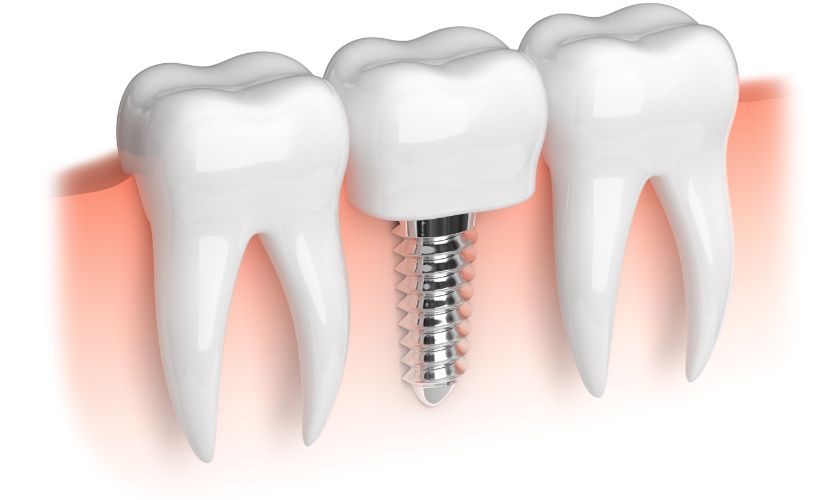
After tooth extraction, the jawbone can begin to deteriorate due to lack of stimulation. Dental implants act as artificial tooth roots, providing the necessary stimulation to maintain bone density and prevent bone loss.
Restoring Functionality
Dental implants restore the functionality of natural teeth, allowing you to eat, speak, and smile with confidence. They provide a stable and durable solution that integrates seamlessly with your natural teeth.
Aesthetic Benefits
Dental implants offer significant aesthetic benefits, ensuring that your smile looks complete and natural. Unlike other options, implants prevent the shifting of adjacent teeth and maintain the structure of your face.
Longevity and Durability
Implants are designed to last many years, making them a cost-effective solution in the long term. With proper care, they can last a lifetime, unlike other restorative options that may require periodic replacement.
Understanding when and why tooth extraction is necessary can help you make informed decisions about your oral health. Whether due to decay, disease, trauma, or overcrowding, tooth extraction can often be the best course of action to ensure overall dental well-being. Post-extraction, considering dental implants can provide numerous benefits, from preventing bone loss to restoring functionality and aesthetics. Always consult with your dental professional to determine the best treatment plan tailored to your specific needs.